Kalman Music Lessons · NYC rentals
Soprano Saxophone rental
in New York.
The straight B-flat horn — a second saxophone, not a first.
From$45/month
One-month minimum.
Month-to-month after that.
Soprano saxophones are available by the month. We’ll help you arrange the rental directly.
Tell us the model and timing you need. We’ll text you within 24 hours. No payment to enquire.
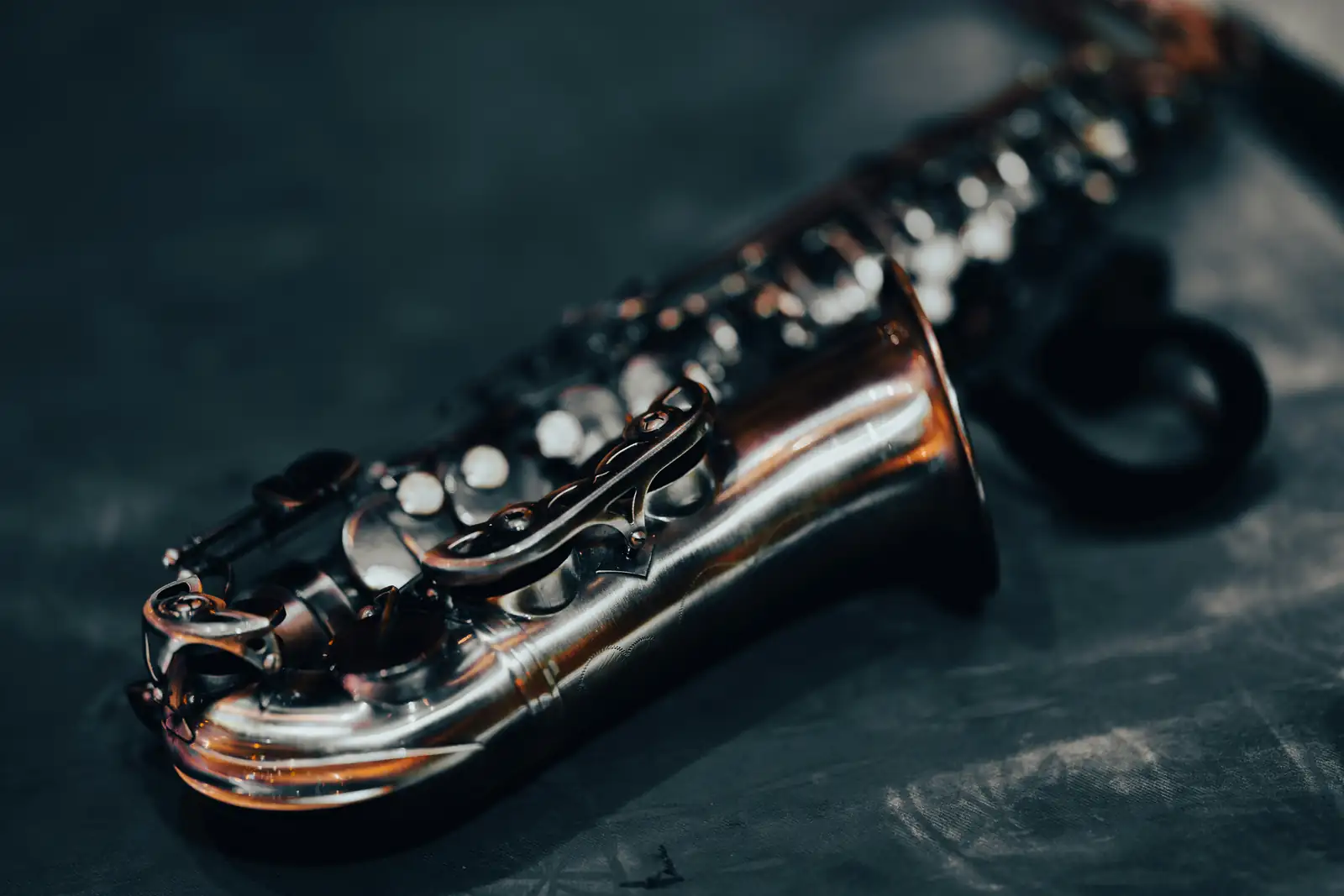
 Checked. Cleaned.
Ready to play.The rental details ↓
- Monthly rate
- $45/month
- Applies to
- Alto, tenor and soprano alike — one saxophone rate.
- Minimum term
- One month, then month-to-month.
- Pickup
- Free, from our East Village location.
- Delivery
- Delivered for $25 anywhere in the five boroughs, $35 to New Jersey.
A full year of renting is $540. Buying a comparable saxophone outright: $600-2,000. Rent first, decide later.
Pickup and delivery Where to collect a rental, what delivery costs, and how to arrange either. →The soprano saxophone, specifically
The soprano is the highest of the three types we rent. Like the tenor it is pitched in B-flat, but it sounds only a major second below written pitch rather than a major ninth — the two horns are an octave apart. It is usually built straight, which makes it roughly the length of a clarinet and by some margin the easiest of the three to carry.
It is also the hardest of the three to play well, and that is the single most useful thing to know before renting one.
Soprano Saxophone at a Glance
The instrument
- Key
- B♭ (B-flat)
- Transposition
- Written C sounds concert B♭ — a major second below written pitch
- Shape
- Usually straight, roughly the length of a clarinet
- Size
- The smallest and lightest of the three types we rent
- Air required
- The least volume of air — but the most embouchure control
- Usual starting level
- A player who already plays alto or tenor
- Where you hear it
- Jazz, saxophone quartets, featured solo and doubling parts
In the case
- Soprano Saxophone, professionally set up
- Hard-shell case
- Mouthpiece and ligature
- Neck strap
- Maintenance guide
- Pickup from East Village or paid delivery
- Price match guarantee
Price Match Guarantee: found a lower price on a comparable rental? We'll match it — just show us the offer.
Size, weight and why small does not mean easy
On weight alone the soprano is the friendliest saxophone in the room: it is the shortest, the lightest, and many players hold it without a strap at all. If size were the whole story it would be the obvious beginner horn.
Size is not the whole story. A shorter tube and a smaller mouthpiece make the pitch of every note far more sensitive to what the player's embouchure and air are doing. On an alto, a slightly unsteady embouchure produces a slightly unsteady tone; on a soprano it produces a note that is audibly out of tune. The player, not the instrument, sets the pitch — which is why a soprano in developing hands is difficult in a way that has nothing to do with how heavy it is.
What the soprano saxophone is used for
In jazz the soprano has a short and very distinct lineage: Sidney Bechet made it a solo voice in the first place, John Coltrane brought it back to the front on "My Favorite Things", and Wayne Shorter built much of his later sound on it. Because of that history a soprano solo tends to read as a deliberate choice of colour rather than a default.
In classical writing the soprano is the top voice of the saxophone quartet, sitting above the alto, tenor and baritone in the same arrangement as a string quartet's first violin. It also shows up as a doubling part in pit books, where one player is expected to cover several woodwinds across a single show.
The soprano saxophone in a school band
Honestly: it is rarely a section instrument. Concert band and jazz band scores are written for alto, tenor and baritone, and a school band does not normally carry a soprano chair at all.
Where a soprano does appear in a school setting is a saxophone quartet, a featured solo line written for it, or a strong senior player doubling on it. If a student needs a saxophone for band, they need an alto or a tenor. If a student needs a soprano, they generally already know exactly why.
Renting for a school band program? Our student rental guide covers the year-by-year picture, and explains in plain English how the “rent-to-own” programs advertised for band instruments generally work.
Is the soprano a good first saxophone?
No — and this is the one place we will talk someone out of a rental. The soprano is unforgiving on intonation in a way that will make a beginner sound bad while doing everything right, and school bands have almost no parts for it. Players nearly always come to it from alto or tenor, after the embouchure and air support are established. If you are choosing a first saxophone, rent an alto. If you already play and you want a soprano as a second horn, you are exactly who this one is for.
Alto, Tenor or Soprano?
| Alto | Tenor | Soprano | |
|---|---|---|---|
| Key | E♭ | B♭ | B♭ |
| Sounds | A major sixth below written | A major ninth below written | A major second below written |
| Shape | Curved | Curved, and larger than an alto | Usually straight |
| Size and weight | Mid-sized — the usual school-band size | The largest — heaviest on the strap, longest reach | The smallest and lightest |
| Good as a first saxophone? | Yes — the usual first saxophone | For a larger student or an adult beginner | No — take it up as a second saxophone |
| Chairs in a school band | Two alto chairs in a standard jazz sax section; two alto parts in most concert band scores | Two tenor chairs in a standard jazz sax section; usually one tenor part in concert band | Rarely a school band chair; used in quartets and featured parts |
Saxophone fingerings are effectively the same across all three types, so a player who changes horns keeps their technique — what changes is the transposition and the reading, not the instrument they have to relearn.
The Other Saxophone Types We Rent
Alto Saxophone rental The E-flat horn most school bands start beginners on. From $3/day + $15 fee, or $45/month Tenor Saxophone rental The B-flat horn of jazz, soul and rock horn sections. From $45/month Saxophone rental The full rental terms, what is included, and how it works. From $3/day + $15 fee, or $45/month Not sure which type a band director means? Read the student rental guide →
How Soprano Saxophone Rental Works
Ask about availability
Tell us you want a soprano. Inventory is limited and we reply within 24 hours, with a waitlist place if it is out.
Pickup or delivery
Collect it free from our East Village location, or have it delivered for $25 anywhere in the five boroughs and $35 to New Jersey.
Play, then decide
One month minimum, then month-to-month. Switch to a different saxophone type later if the horn stops fitting the player.
$45/month · Free pickup or $25 delivery · Price match guarantee
Soprano Saxophone Rental FAQs
Is the soprano saxophone harder to play than an alto or tenor?
Yes, in the way that matters most for a beginner: intonation. The soprano's shorter tube and smaller mouthpiece make every note far more sensitive to embouchure and air support, so the player effectively has to place each pitch themselves. It is lighter and easier to hold than an alto or a tenor, but easier to hold is not the same as easier to play in tune.
Is the soprano saxophone the same key as the tenor?
Both are B-flat instruments, so they read the same part — but they sound an octave apart. The soprano sounds a major second below written pitch and the tenor a major ninth below. A tenor player can read a soprano part straight off, which is part of why doublers move between the two.
Can you rent a soprano saxophone right now?
Most instruments are rented out at the moment. Reserve one, or join the waitlist and we text you the day a soprano comes back — your place is held in order. Use the form on this page or call us and we will tell you where the queue stands.
Can I rent a soprano saxophone for just a few days?
Not through the booking page — it stocks one saxophone, the alto, and that is the horn you can rent by the day or the week. Soprano rentals are monthly at $45 a month: tell us when you need it and we will set it up. If the length matters more than the horn, the alto is the one to look at.
Reserve a soprano saxophone
30 seconds. We text you back within 24 hours with where the queue stands.
Rentals around New York
Free arranged pickup in the East Village, or paid rental delivery to your neighborhood.
All rental locations →