Bass Lessons in Clinton Hill
Learn bass from working Brooklyn musicians — at home in Clinton Hill or online.
Kids & adults. All levels. All styles.
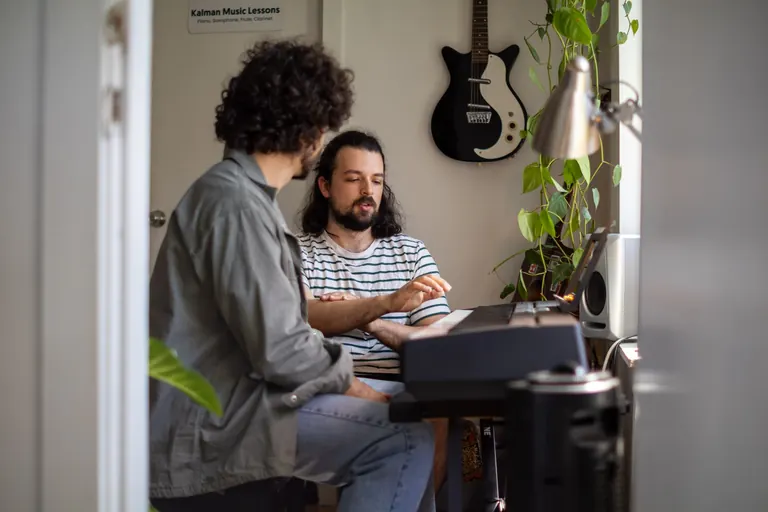
Kalman Music Lessons — a music school designed for the busy New Yorker.
Kalman Music Lessons is a New York City music school whose teachers come to your apartment in Clinton Hill. We teach piano, guitar, bass, drums, saxophone, clarinet, flute, trumpet, violin, cello, ukulele, voice and music theory to children and adults, including complete beginners. Lessons happen at your home, at one of our NYC studios, or online. Your first lesson is $15 in our studio or $50 at your home. After that, studio lessons start at $50 and at-home lessons at $60 per 30-minute lesson, both on a 10-lesson package. Call or text (917) 525-3374.
your way.
Every lesson combines technique, groove, and the music you want to play.
working
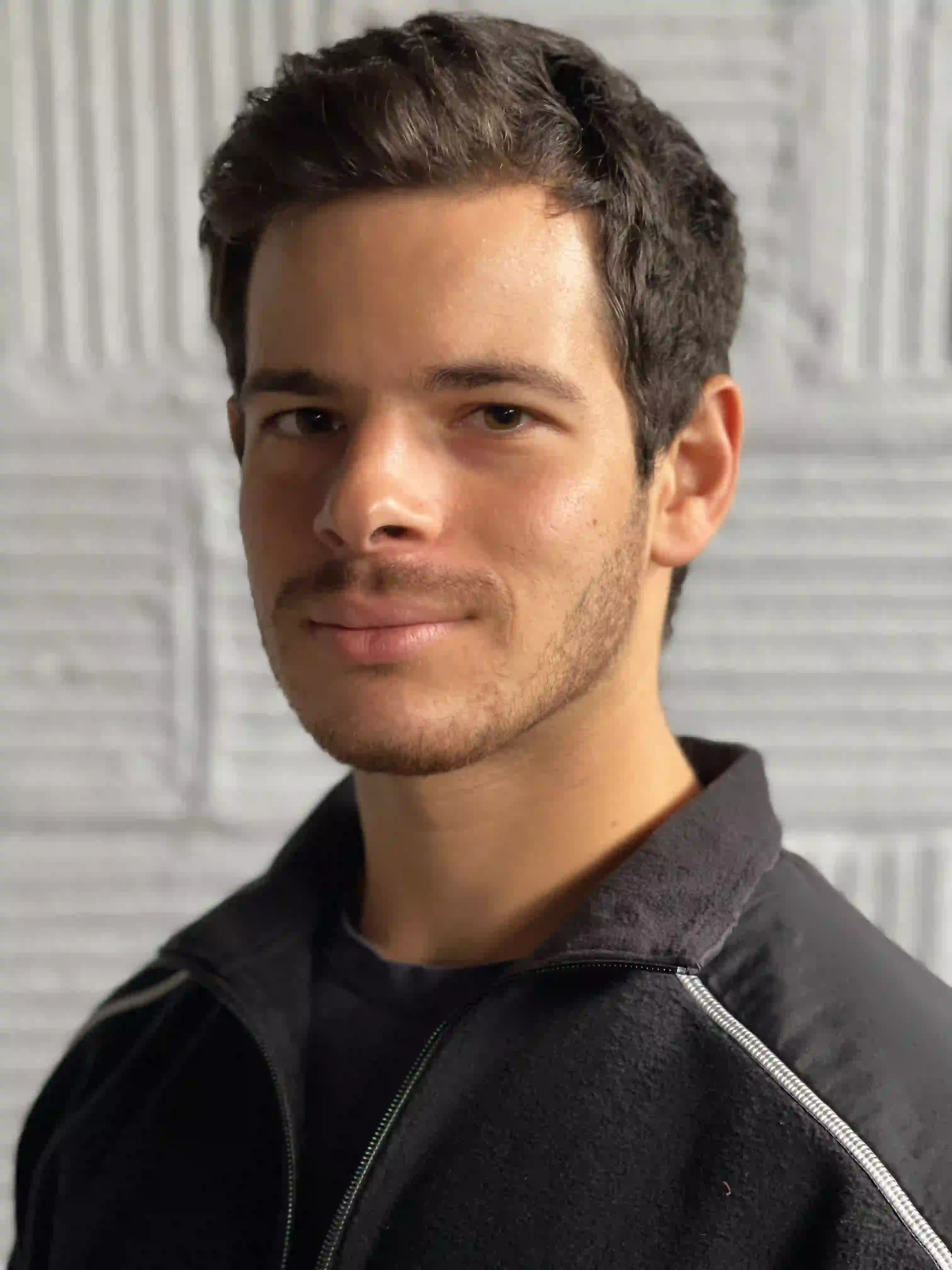
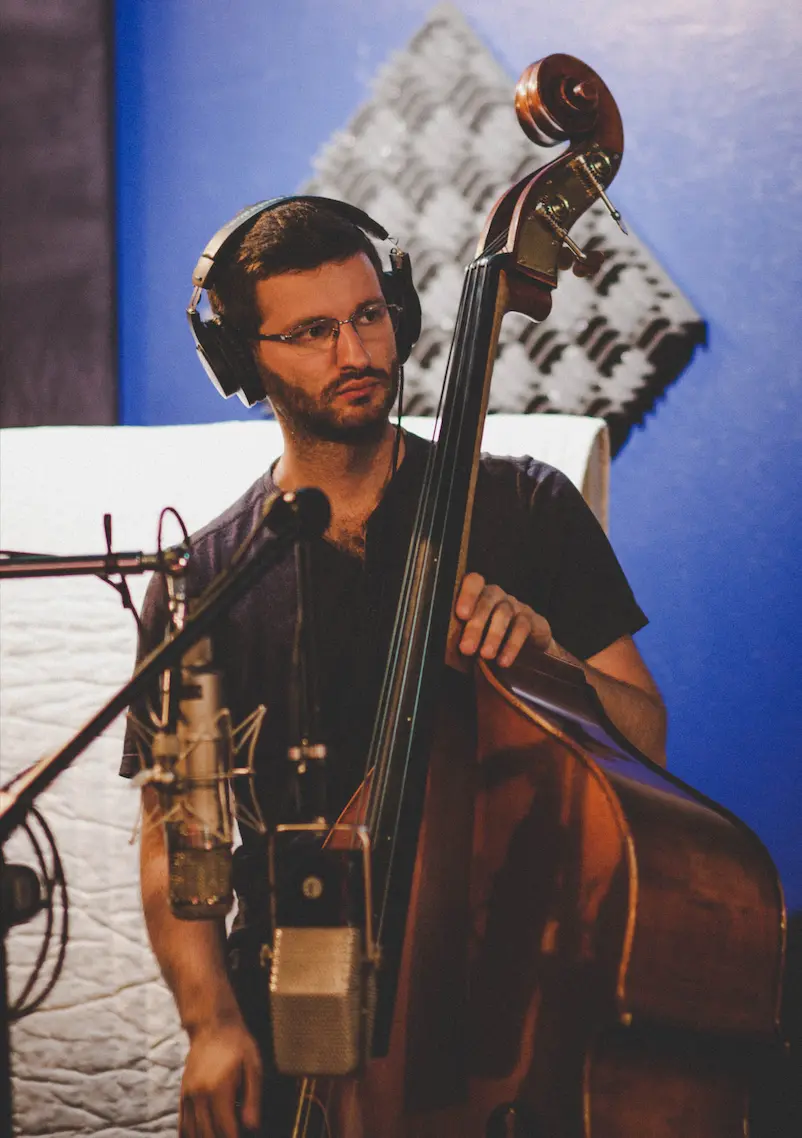
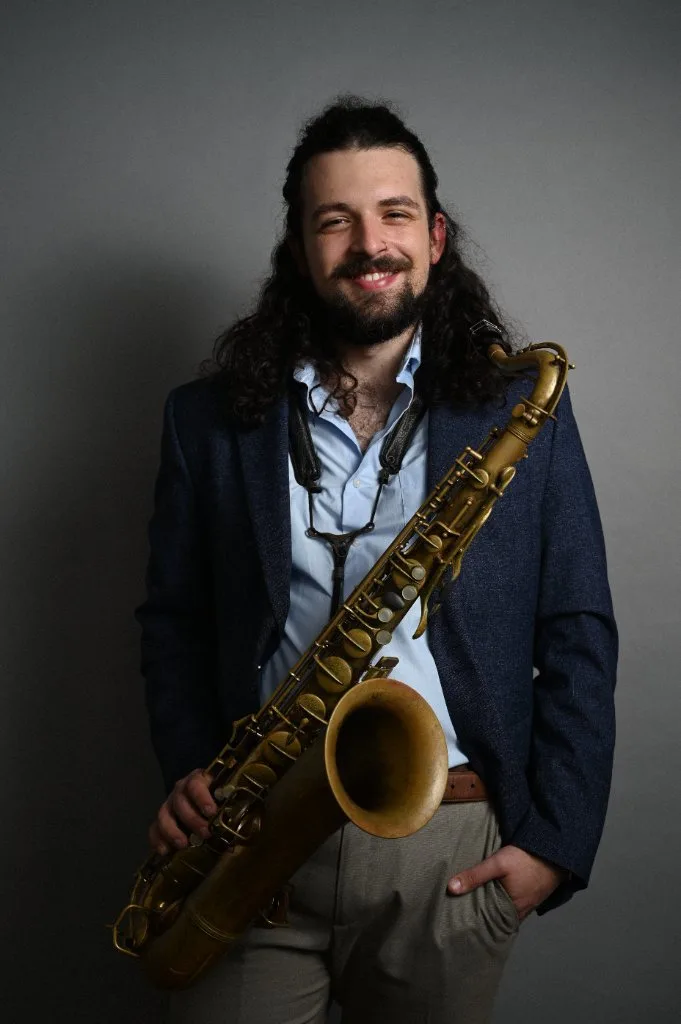
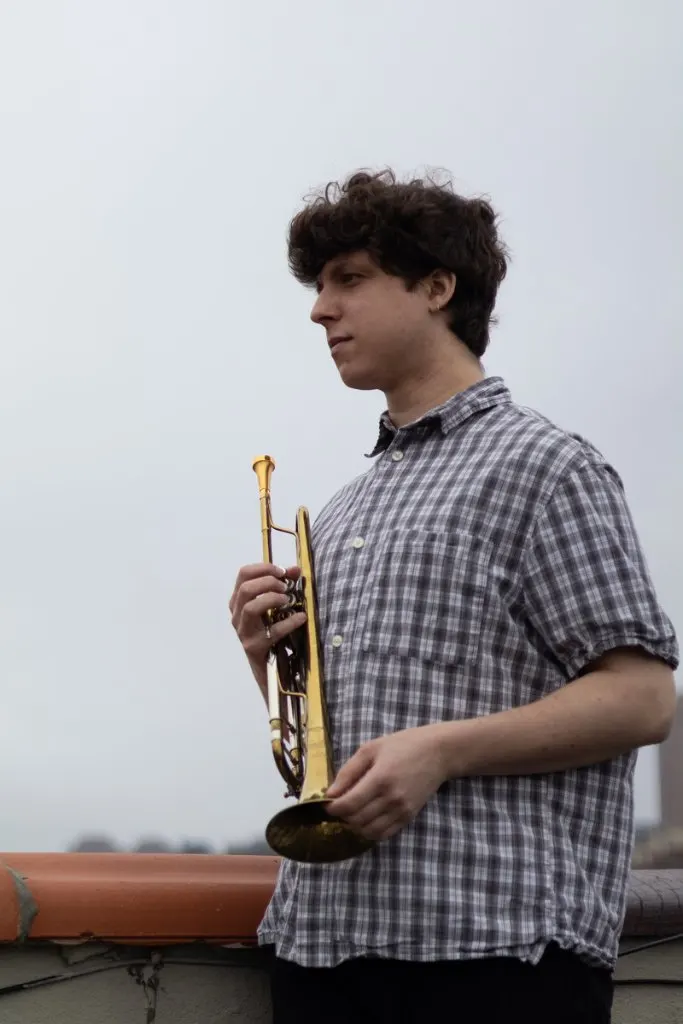
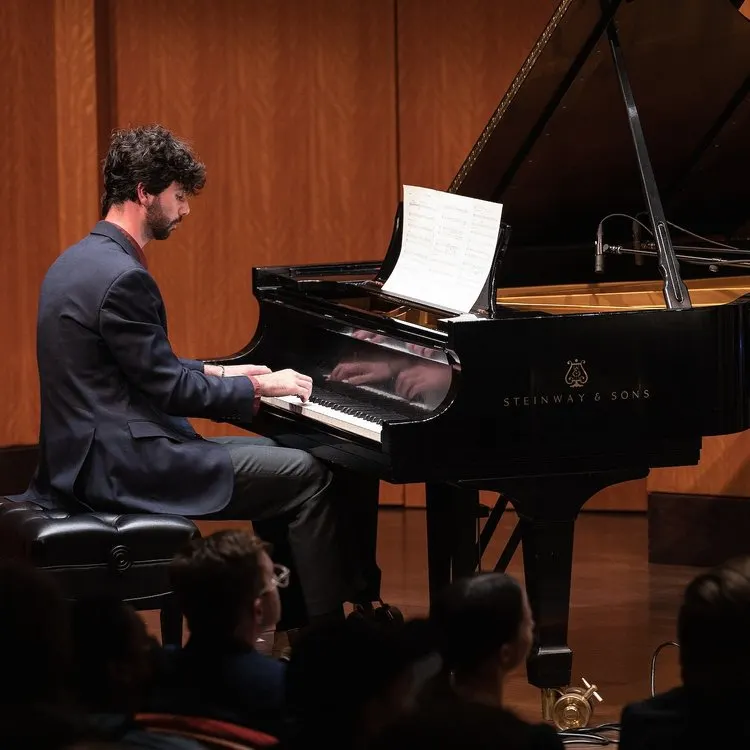
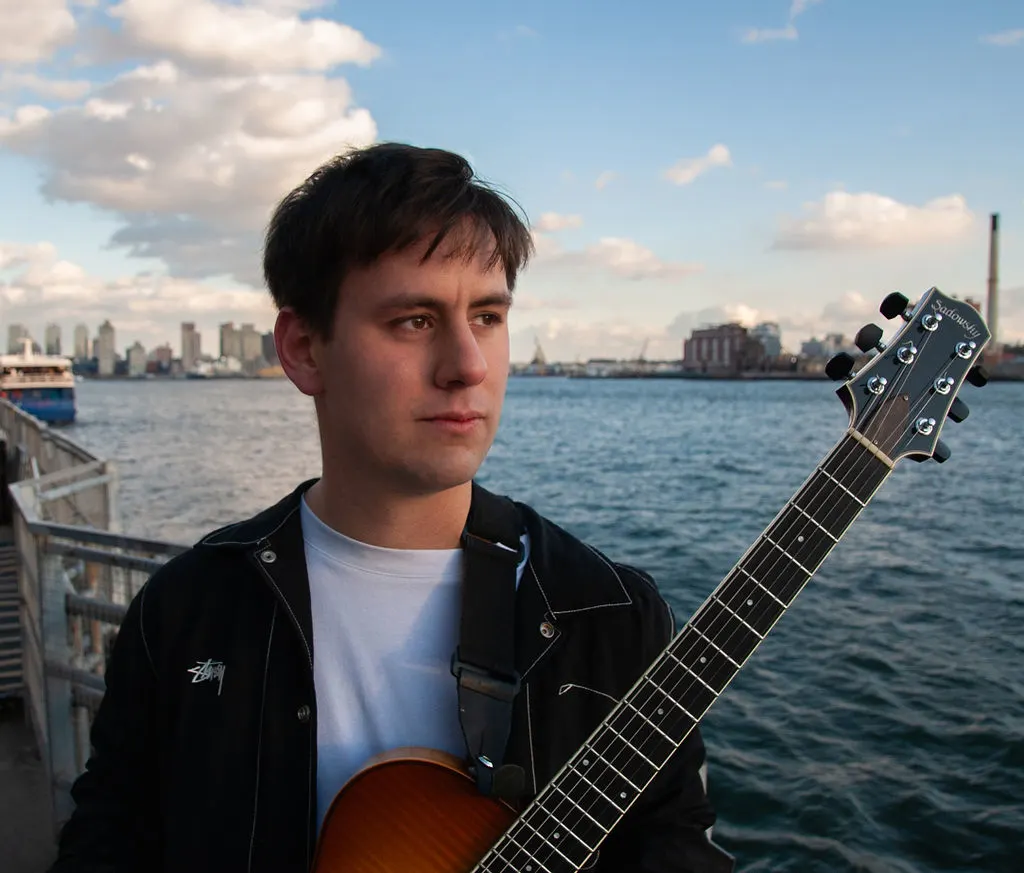
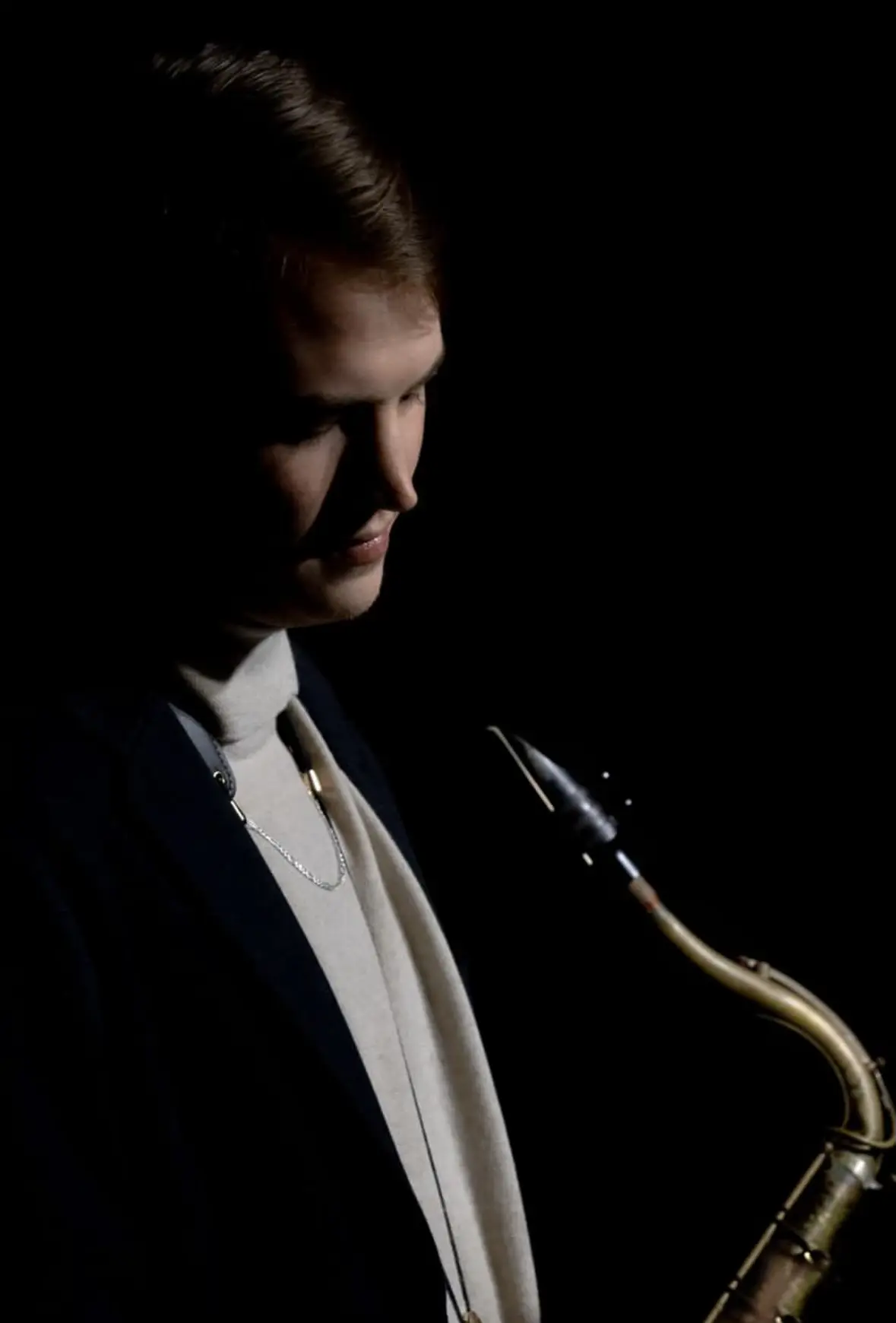
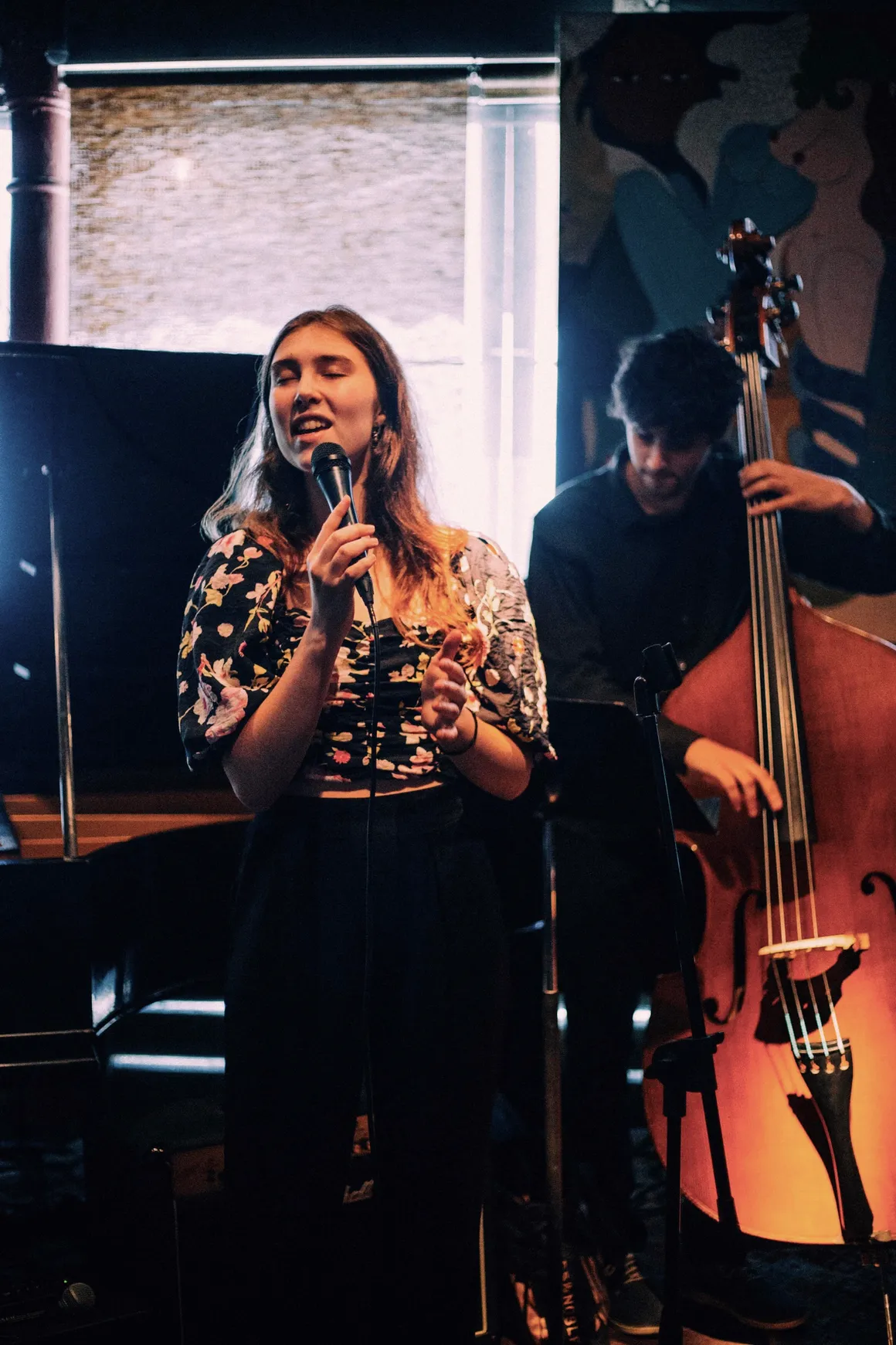
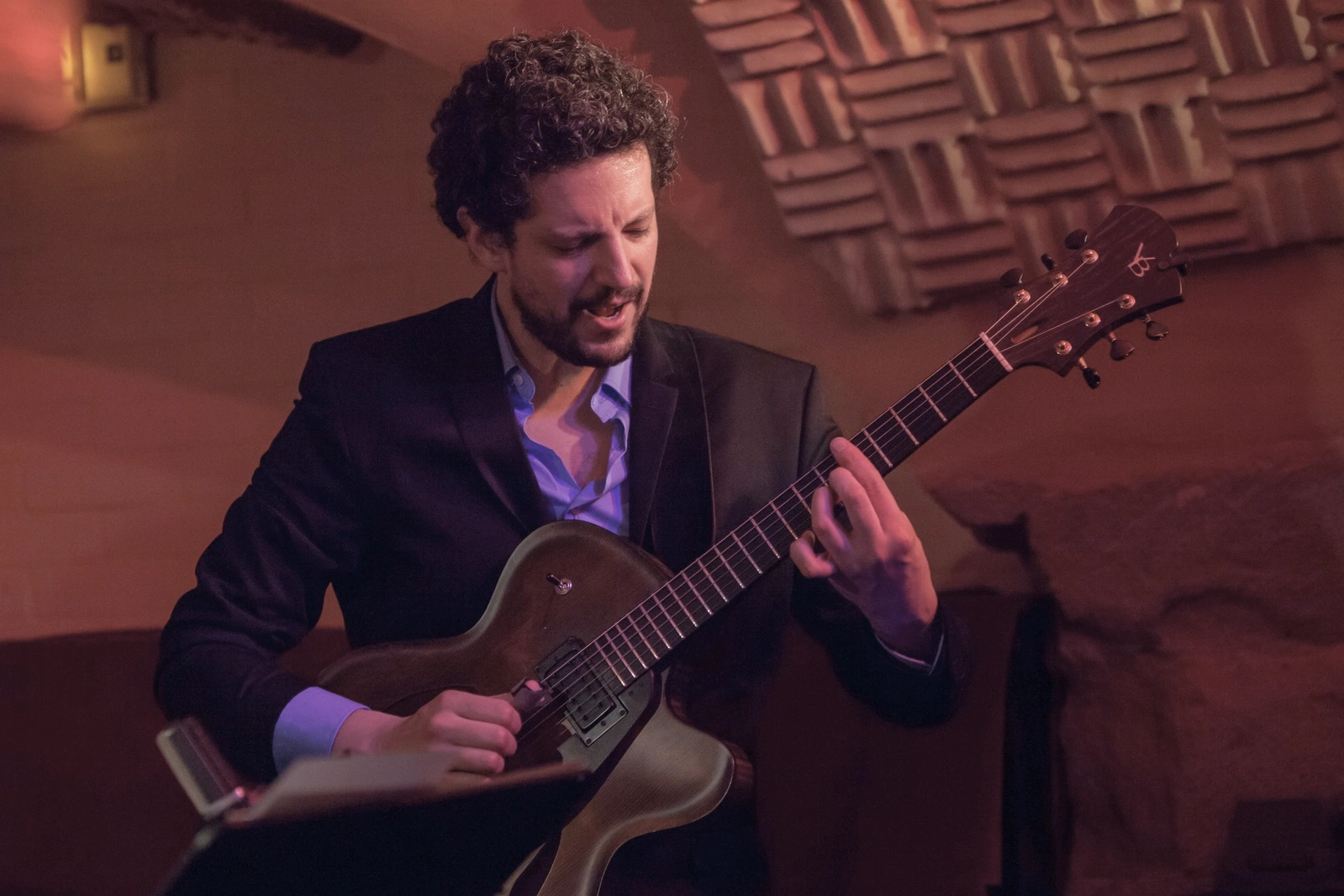
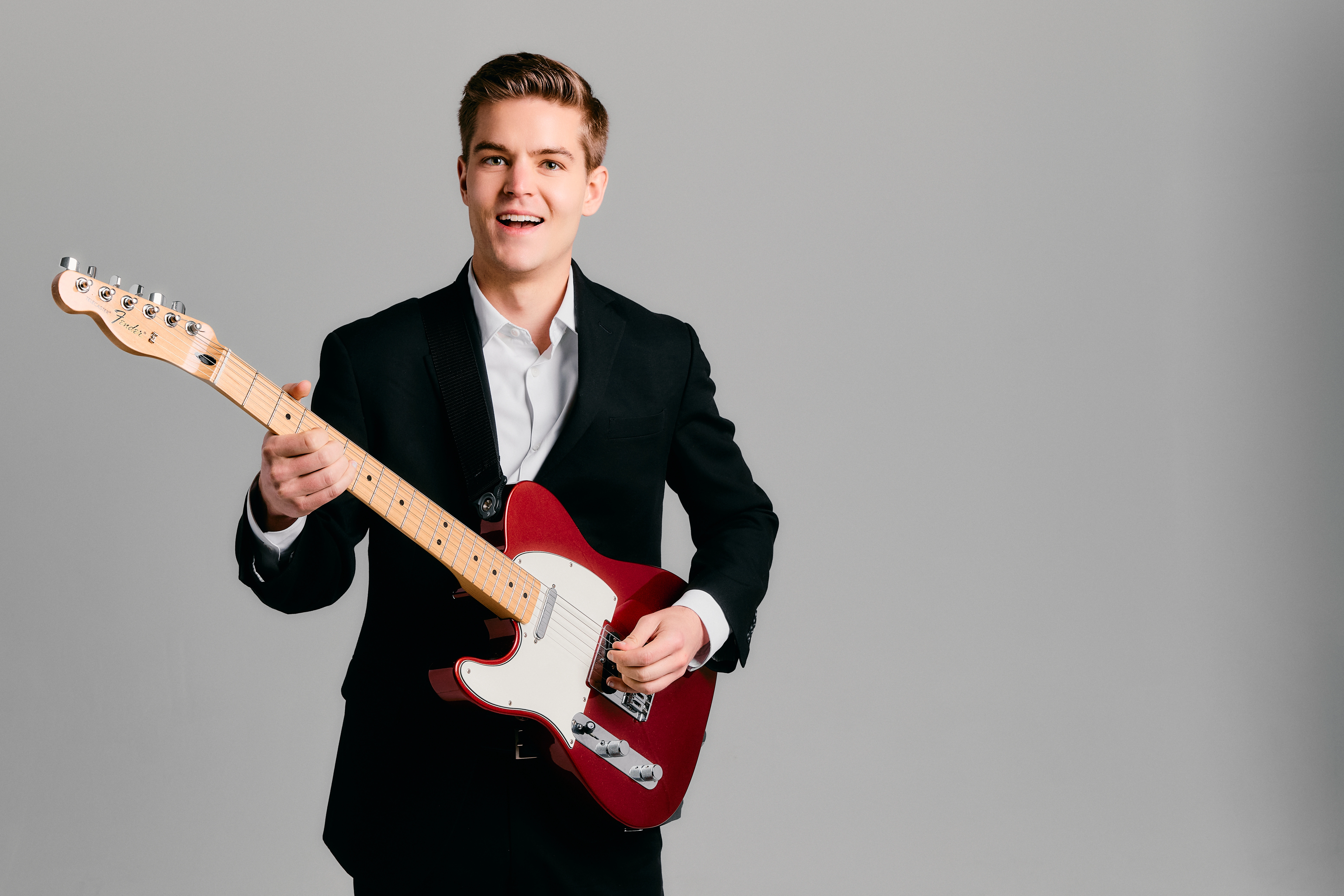
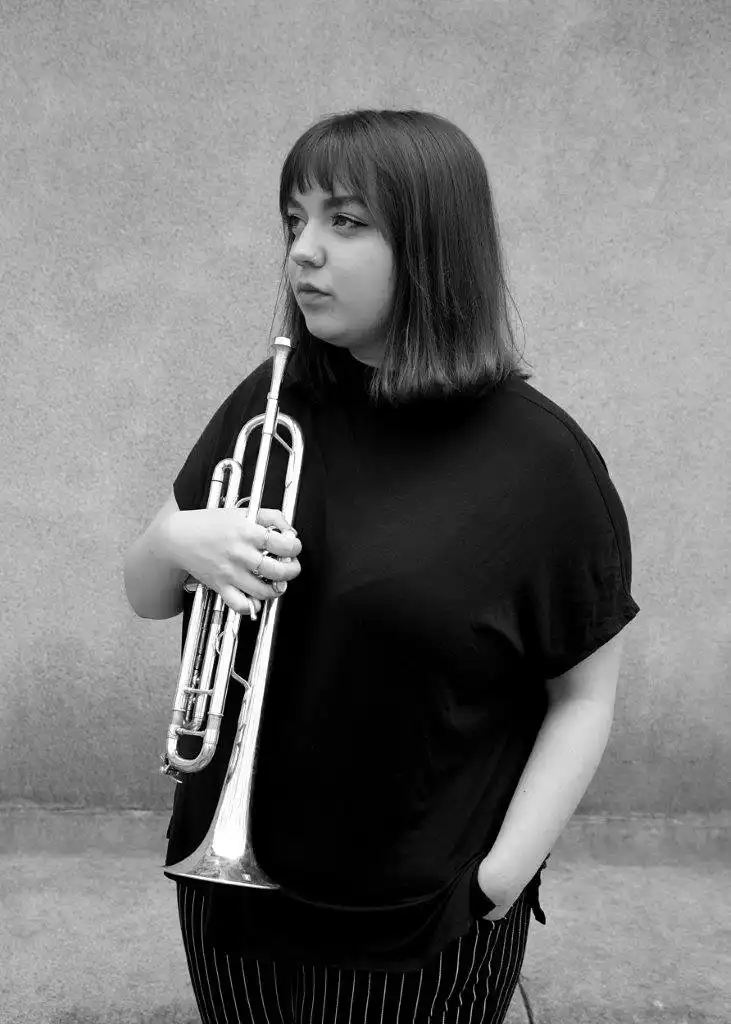
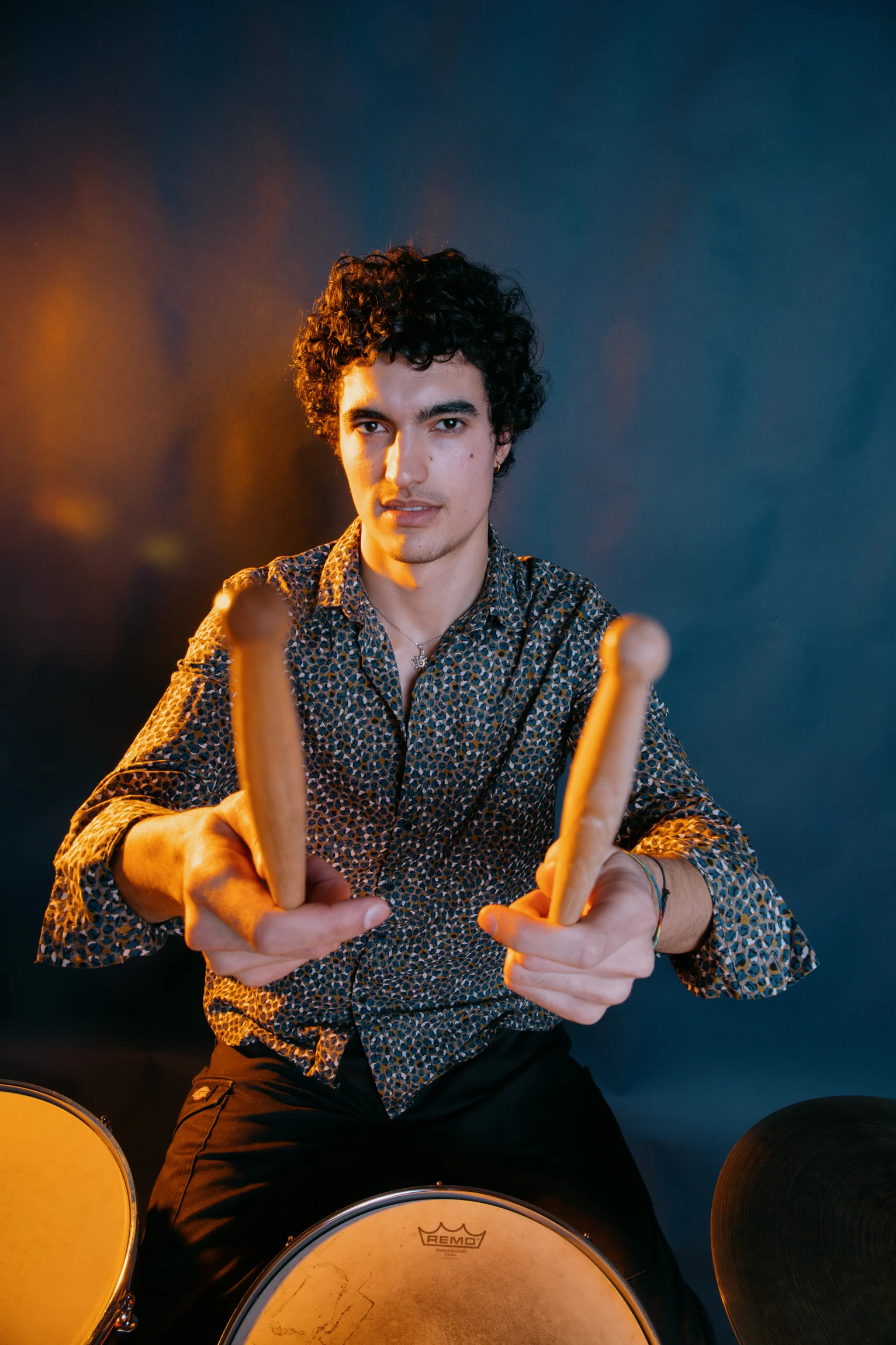
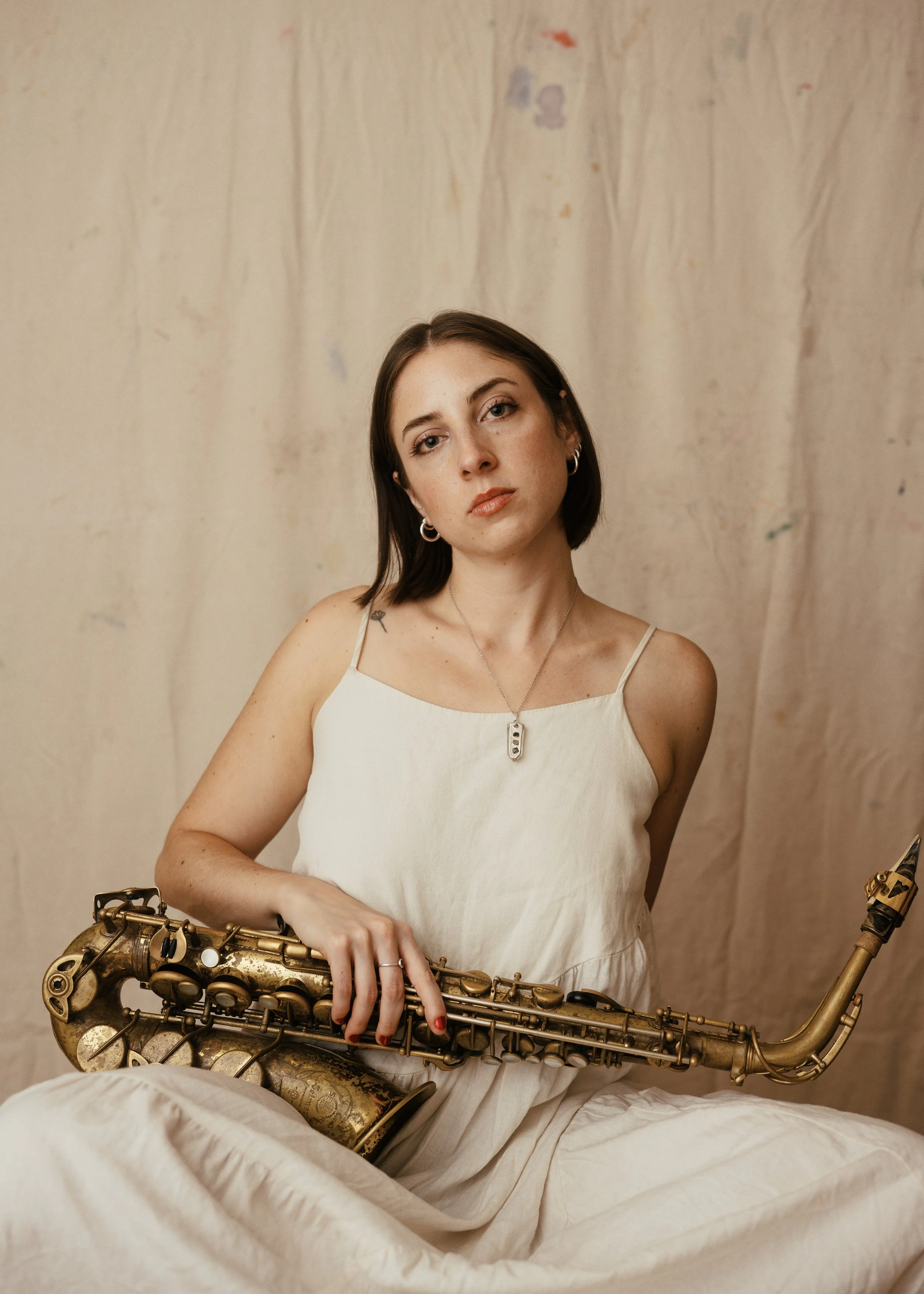
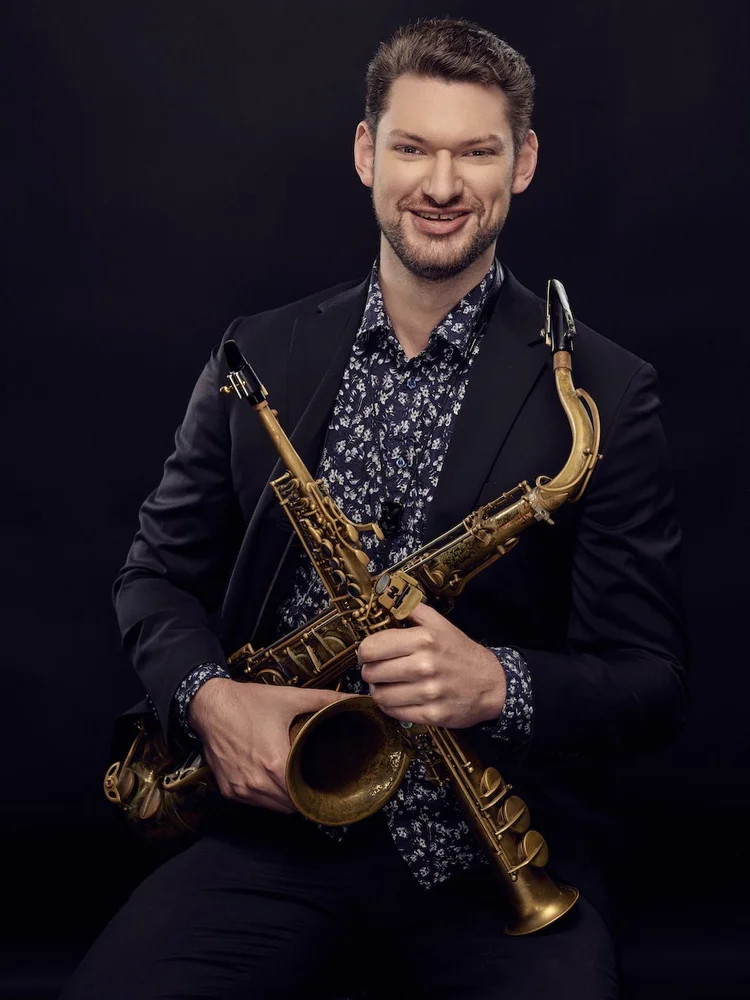
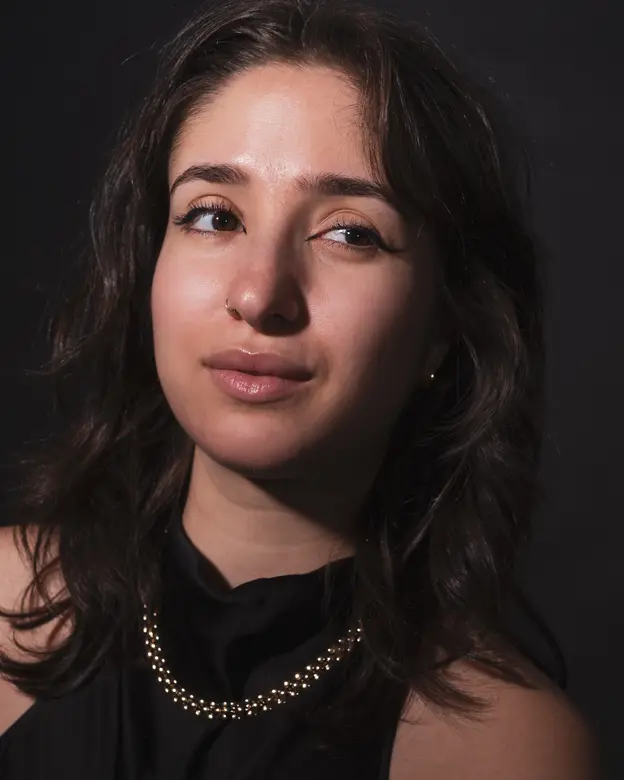
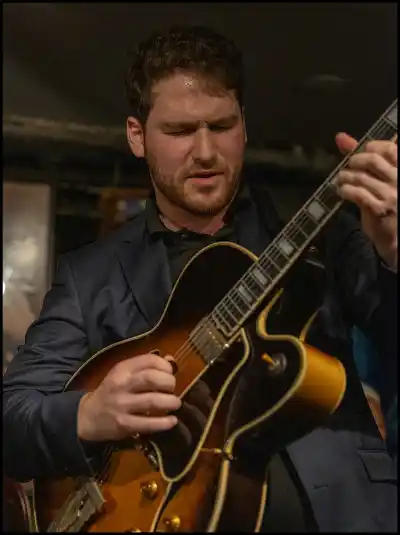
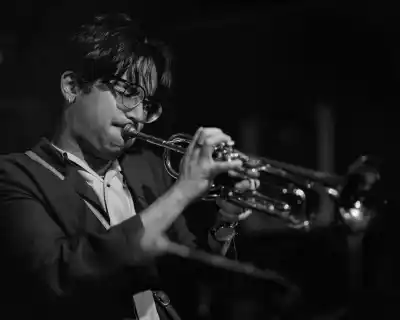
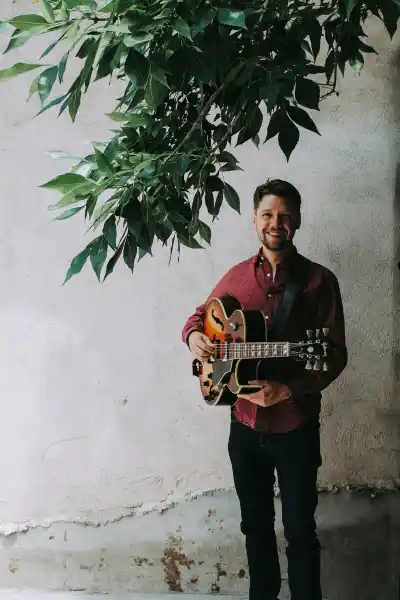
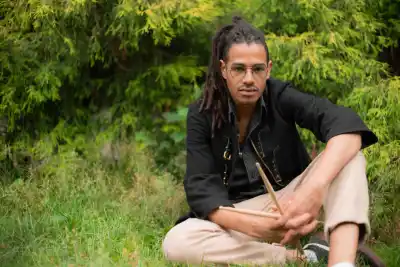
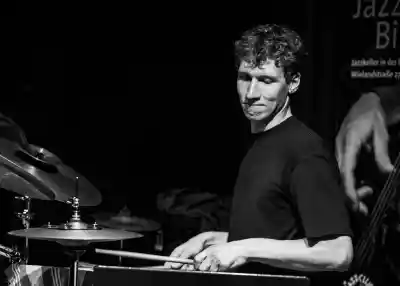
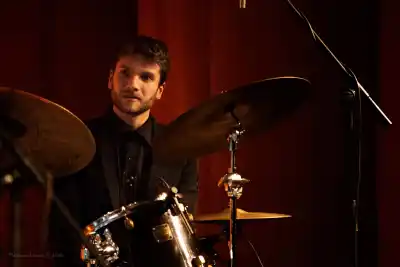
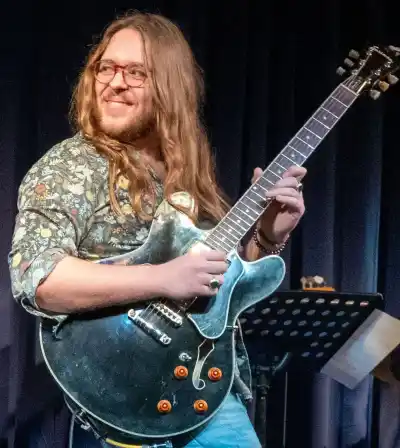
Kalman Music Lessons teachers are working New York musicians who teach from the bandstand, not from a textbook, and build each lesson around a goal you set. Every membership plan includes every teacher, subject to availability, and members can switch teachers in our online portal at any time. You can see where our teachers trained on their cards below.
locked-in pockets.
Pick your style. We'll build the technique to match.
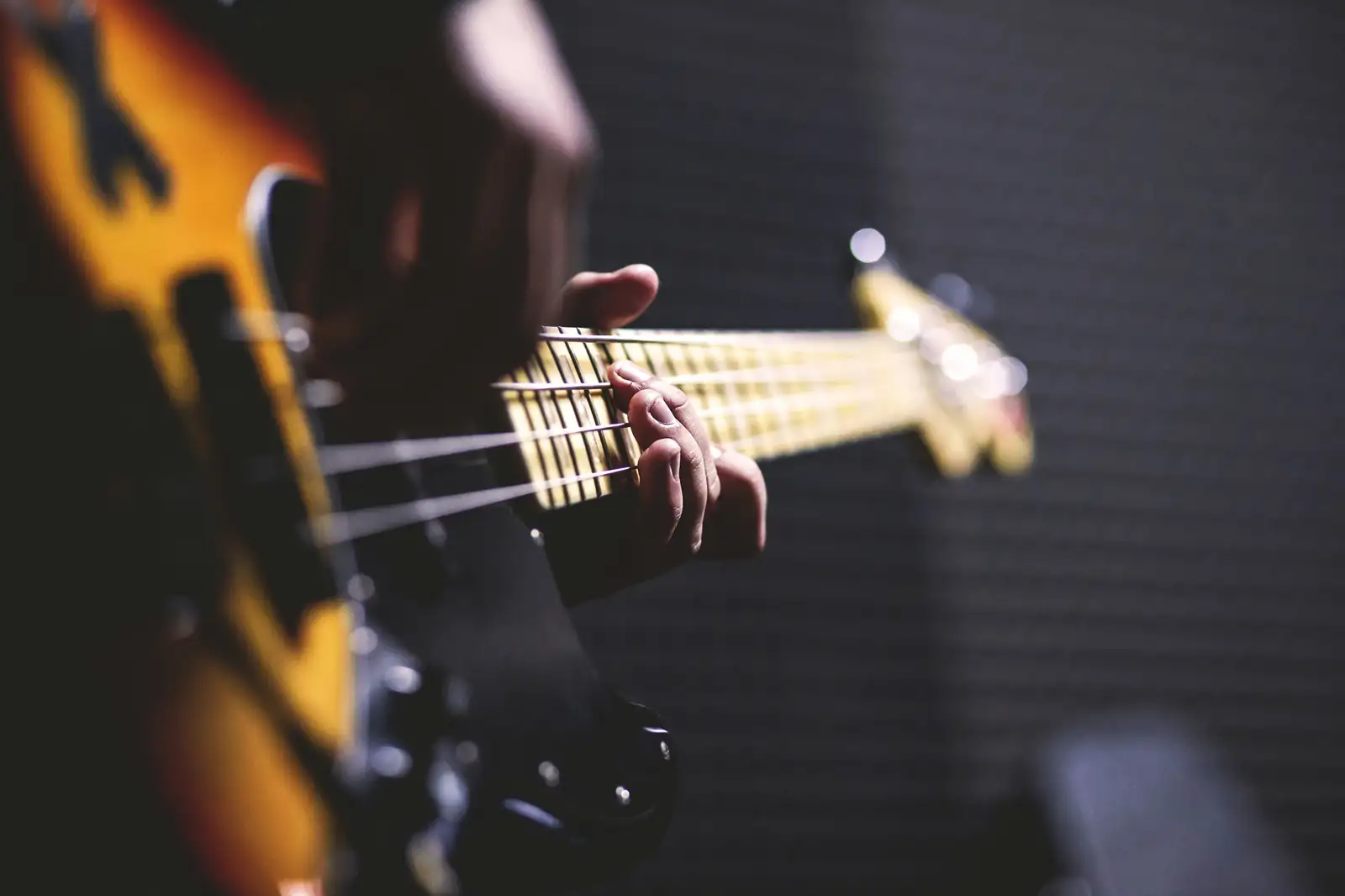
Root-note mastery, melodic bass lines, and the songs people know.
- Root-note playing
- Basic plucking
- Major/minor scales
- Reading tab
- With or Without You
- Come As You Are
- Seven Nation Army
- Under Pressure
Not sure which route is right for you?
Book a free consultation callyour schedule.
Payments processed through Stripe. Review package expiry and cancellation terms before purchasing. Compare studio memberships and lesson packages below.
The ClassPass-style membership for music.
Private lessons at NYC studios. Pro and Elite include free group classes; Hobby does not. Monthly and annual payment options have different commitments.
Annual prices are monthly equivalents, paid up front: Hobby $1,188, Pro $2,388, Elite $2,988. Monthly billing starts at $149.
Explore membershipsPrivate 1-on-1 lessons.
Buy four or ten credits at a time. Four-lesson credits expire after 90 days; ten-lesson credits after 120 days.
See full package pricingNot sure which fits? Book a first lesson and we'll help you choose.
Prices shown are for NYC studio lessons and are subject to our terms of service.
Two or three kids on different instruments? One teacher, one visit.
A 60-minute lesson is shared between siblings — bass for one, guitar or drums for another — and priced as one lesson. 50+ teachers, most of whom play two or more instruments.
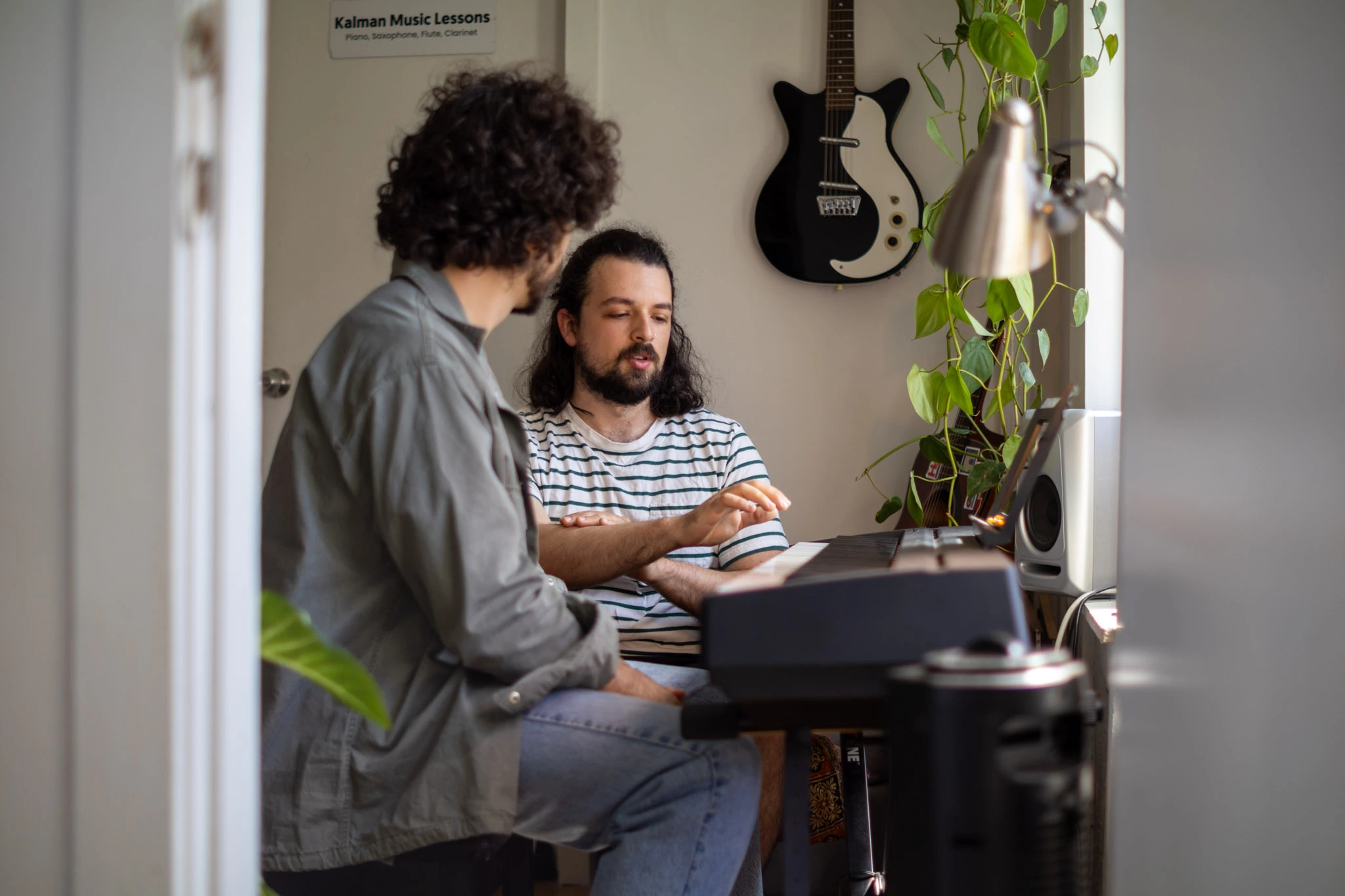
Need a bass?
Rent one from us.
From $50/month, month to month. Subject to availability.
"Marcello is an amazing drum instructor! We look forward to his lesson every week!"
"amazing teacher learned to play some songs on the piano right away highly recommended"
"Alden is a wonderful teacher (sax for our elder and recorder for our younger). Highly recommend! And Tal runs a great ship. Really easy to deal with, price is right and incredible musicians."
"Great teacher! helped me learning the clarinet in less than a month. I’m already playing my favorite disney songs"
"I’ve been Erika’s student now for several months. I love learning guitar from her. She is so knowledgeable and friendly. I look forward to my lesson every week. Highly recommend."
"Quick & friendly service! Saved us with a last minute rental!!! Will be back forsure"
what students ask.
Do I need my own bass?
Do I need an amp?
Are online bass lessons effective?
How much are bass lessons in Clinton Hill?
Do your teachers travel to Clinton Hill?
How do I book and reschedule bass lessons in Clinton Hill?
Can I start bass as a complete beginner in Clinton Hill?
Fill out your info and we'll be in touch shortly
Tell us your instrument, location, and any goals or questions. We usually respond within a business day.
Or schedule an appointment with us at your convenience
Pick a time that works for you—our calendar updates in real time and booking takes less than a minute.
Book a quick call with Tal
Pick a time — we'll call you. Takes 30 seconds.
Our Locations
Home lessons & studio options
📍 Soho - by Prince Street
📍 Bed-Stuy - by the J/M/Z Myrtle Ave
📍 Bushwick - by the Wilson Ave L
📍 Crown Heights - by the Utica Ave A/C
📍 Prospect Heights - by Botanic Garden
📍 Greenpoint - by Greenpoint Ave G
📍 Upper East Side - by the 96th St 6
📍 Upper West Side - by the 1/2/3 96th St
📍 Financial District - by Wall St
Get In Touch
We're here to help
How we teach bass in Clinton Hill
Every bass student learns at their own pace, and lessons are shaped around the music you actually want to play. You'll build fluency in the core techniques that define the instrument, from fingerstyle and slap to pop and pick playing, while developing the rhythmic feel, timing, and sense of harmony that hold a groove together. The goal is instruction that stays engaging and rewarding, so that progress on the bass feels as creative as it does technical.
Lessons draw on the styles that keep bass players busy today, whether that's funk, jazz, rock, blues, or pop, without losing sight of the fundamentals that underpin all of them. Alongside accuracy and clean technique, real attention goes to tone, articulation, and phrasing, the things that separate a competent player from a musical one. Students are encouraged to find their own voice on the instrument while mastering the versatility that makes a bassist genuinely useful in any band.
A structured, step-by-step approach gives dedicated players a clear path forward, with every part of a lesson, from technical exercises to playing real music, tailored to the individual. That balance of discipline and room to experiment builds both competence and confidence over time. The result is a learning experience that stays enjoyable while steadily moving each student toward the goals they set for themselves.
Kalman Music Lessons pairs personalized teaching with an environment meant to be supportive and inspiring rather than intimidating. Lessons center on real skill, musical expression, and putting what you learn to practical use, giving players the tools to grow as musicians and not just as technicians. For anyone serious about the bass, it's a place to sharpen your playing while continuing to explore what you can do with the instrument.
The Kalman Music Lessons difference for bass lessons in Clinton Hill?
Kalman Music Lessons combines personalized instruction with a supportive, inspiring environment. Lessons focus on skill mastery, musical expression, and practical application, offering students the tools needed to thrive as bass players. With focused, personalized instruction, musicians can experience focused growth while exploring their creative potential, making it the ideal destination for serious and passionate bassists.
Learning Bass in Clinton Hill
Bass is the one instrument where simply playing quieter doesn't solve much. Low frequencies are long, close to omnidirectional, and they couple into a building's structure far more readily than high frequencies do, which makes Clinton Hill's mix of 1840s wood-frame houses, Victorian rowhouses and 1940s brick apartment blocks a genuinely different problem depending on which one you live in. Lessons here tend to start with your building before they get to your left hand.
What a bass actually does to a Clinton Hill rowhouse
The Clinton Hill Historic District takes in a little over a thousand buildings put up between the 1840s and 1930: frame houses from the 1840s, Italianate villas from the 1850s, Romanesque mansions from the 1880s, Beaux-Arts apartment buildings from the 1910s. The rowhouses and frame houses among them are almost all wood-joist construction, and wood joists conduct exactly the frequencies a bass produces. The low E on a four-string is about 41 Hz. It doesn't leak out under the door; it goes down through the floor and re-radiates below as a pitchless thump, which is the most irritating version of it.
The fixes are unglamorous. Getting the cabinet off the floor — an amp stand, an isolation pad, a folded moving blanket on a crate — breaks the mechanical path and does more than turning the knob down. Rolling off everything under 80 Hz while you practice keeps the note intelligible to you and quiet downstairs, since the harmonics carry the pitch even with the fundamental gone.
For most students, though, the honest answer is headphones. A small headphone amp, or an interface into a laptop, gives you full-range tone at any hour, and the modeling is good enough now that you're not learning on a lie. Practice time is the whole game, and an arrangement that confines you to daylight hours is worth sorting out in the first few weeks rather than the first few years.
Upright bass in a walk-up: the logistics nobody mentions
A three-quarter upright is around six feet tall and does not fold. In Clinton Hill that usually means a stoop, then a staircase with a turn at the landing, and moving an instrument that size past the turn in a padded bag is a two-person job the first few times. The co-op buildings on Clinton Avenue — designed by Wallace K. Harrison and built between 1941 and 1943 as wartime housing for Brooklyn Navy Yard workers, converted to a co-op in 1984 — are apartment blocks rather than rowhouses, with no stoop and no landing turn, which quietly makes them some of the easiest addresses here to keep an upright.
Once it's inside, the bass needs a corner with floor space away from a radiator, plus a humidifier in winter. Steam heat in an old Brooklyn building drives indoor humidity very low, and a carved bass answers by opening seams — a cheap repair if you catch it early.
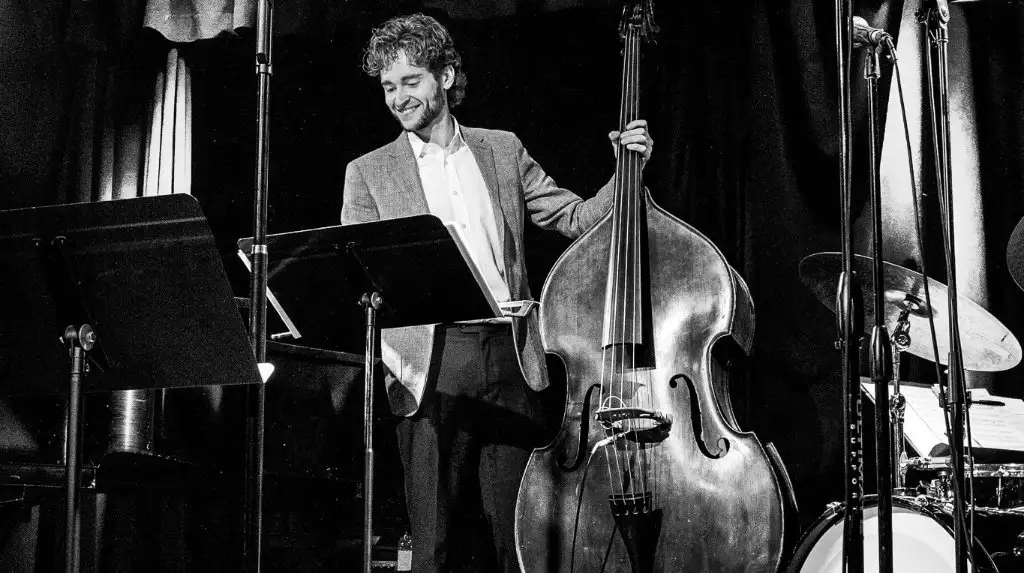
Nobody hauls a double bass across the neighborhood for a house call, so an upright student needs an instrument at home from the first lesson. That almost always means renting rather than buying, since kids move up through fractional sizes as they grow; several string shops around the city rent half- and three-quarter-size basses and will deliver to a Brooklyn address. Electric is a gentler version of the same rule — you still want one in the house to practice on between lessons, but the starting commitment is much smaller.
The bass lineage is a short walk from here
Clinton Hill and Fort Greene are where an unusual number of jazz musicians actually lived. Lester Bowie of the Art Ensemble of Chicago kept a Victorian house on Washington Avenue for about twenty years, until his death in 1999, and in September 2019 the block at Lafayette and Grand Avenues was co-named Randy Weston Way for the Brooklyn-born pianist, who grew up on Lafayette.
The part that matters to a bass student is a few blocks west. Trombonist Slide Hampton and his wife Althea bought the brownstone at 245 Carlton Avenue in Fort Greene in 1959 for $6,900, and through the 1960s the jam sessions there pulled in Eric Dolphy, Freddie Hubbard, Wes Montgomery, John Coltrane and bassist Bill Lee, who moved his own family to Fort Greene the same year Hampton bought the house. Dolphy was living in that building when Outward Bound was rehearsed; the tune '245' on it is named after the address. Lee played on Bob Dylan's 'It's All Over Now, Baby Blue' and Aretha Franklin's 1960 debut, scored his son Spike's early films, and died at home in Fort Greene in 2023, aged 94.
That thread hasn't gone cold. The Fort Greene Park Jazz Festival, started in 2010 by percussionist Eric Frazier and still staged a couple of times each season, is the nearest place to stand close enough to watch a working bassist's right hand, which is a different kind of instruction than anything that happens in a lesson.
Getting from practicing to playing with people
Bassists are chronically in short supply, which is the instrument's best-kept advantage. A student who can hold a groove and read a chart gets pulled into church groups, school ensembles and friends' basement projects far faster than a fourth guitarist. Reading tends to start early around here: P.S. 20, the Clinton Hill School — on Adelphi Street, just over the Fort Greene line — gives every one of its students instrumental instruction, and the ones who show promise get asked into the school band. That band is brass, and the school stops at fifth grade, so a bass player builds the playing-with-others half of the education somewhere else.
You don't need a loud rig to rehearse, either. Hourly rooms around Brooklyn with a bass amp already in the corner generally run somewhere between fifteen and thirty dollars an hour, so a quiet home setup plus a booked room covers both halves of the job. Lessons themselves happen at your place, at the Bed-Stuy studio a short ride east, or online once you have an interface.
One quirk worth knowing when you're carrying gear: two separate stations share the name Clinton–Washington Avenues. The G platform is under Lafayette Avenue between Clinton and Washington; the C is under Fulton Street, several blocks southeast, with the A covering it late nights. There is no transfer between them, so pick the right one before you're standing on a corner with a bass on your back.
Do I need to own a bass before my first lesson?
You'll need an instrument at home to practice on between lessons — that's the general rule here, and for upright it's absolute, since nobody hauls a double bass to a house call. Renting is the normal route for upright, because kids move up through fractional sizes as they grow and several string shops in the city rent half- and three-quarter-size instruments with delivery. For electric, a modest starter bass is a small commitment, and a short-scale is usually the right call for a younger student or smaller hands. Ask before you buy — getting advice on the instrument first is part of what the first few lessons are for.
How do I practice bass in a Clinton Hill apartment without annoying the neighbors?
Assume the floor is the problem, not the walls. The neighborhood's rowhouses and frame houses sit on wood joists, which carry low frequencies straight down, so a cabinet standing on the floorboards is heard below no matter how far you turn it down. Get it up on a stand or an isolation pad, roll off below 80 Hz for practice, and use headphones through a small amp or interface for late nights. Save the loud rig for daytime or an hourly rehearsal room.
Should my child start on upright or electric bass?
It mostly depends on where they want to play. School and youth orchestras need upright players; bands, church groups and anything with a drummer want electric. Upright is physically demanding and needs floor space and humidity control at home, but it comes in fractional sizes for smaller kids. Electric is cheaper to start, easier to store, and simpler to practice silently. Players cross over in both directions later — the reading and the ear transfer directly, but the physical technique genuinely has to be rebuilt, since upright uses a different fingering system across a much longer scale.
Bass Lessons Classes Offered in Clinton Hill
Families in Clinton Hill choose our bass lessons program for reliable scheduling, engaging lessons, and professional instructors. Reserve your spot.
Near Pratt Institute campus, Myrtle Avenue, and the Classon Av (G) and Clinton–Washington Av (C/G) subway stops in Clinton Hill.

These guys are great. I’m a musician from Dallas, TX & played a show in NYC this past weekend. Tal & Neal were nice enough to coordinate & help me out with renting a bass from them for the show! 10/10 would recommend
Amazing experience….. I love ‘Tal ‘ the Head of the Music school. He tought me Drums. So passionate So patient & so Professional. Thank you Highly Recommended
Neal is the best guitar and bass teacher I’ve ever had! He is so knowledge about all instruments and music theory. Tal Kalman music school is extremely easy to work with and very responsive. I highly recommend using them for all your music needs needs. Also they’re right in the East Village in a gorgeous apartment that is truly the best play to learn whatever instrument you desire :)
Book your first lesson
Choose how you’d like to get started.
Find your teacher
Online first-lesson pricing is confirmed before booking. No payment on this form.
Book a 10-min call
Pick a time — takes about 30 seconds.