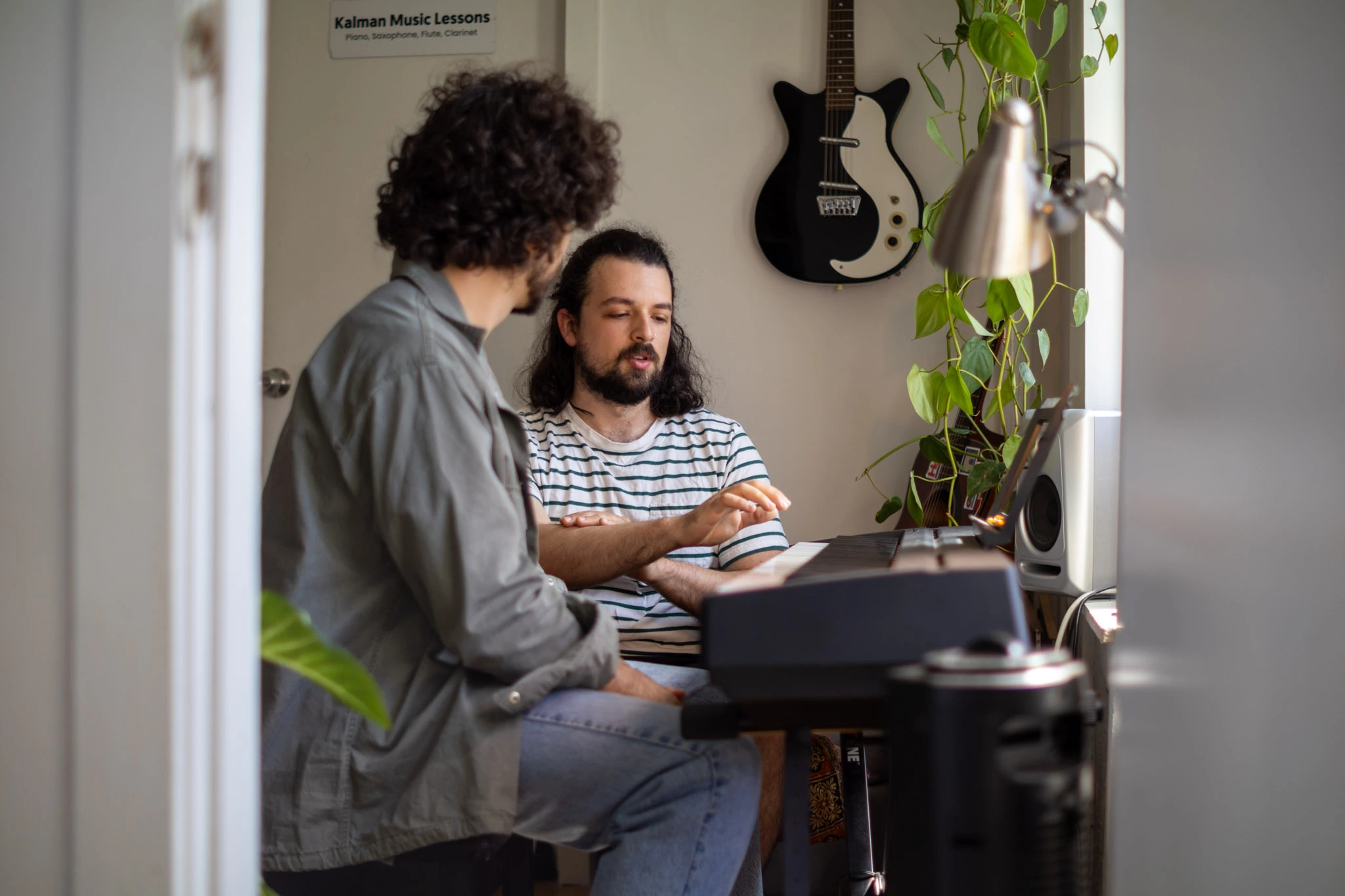
Piano Songs to Improve Hand Coordination
Hand coordination shapes the foundation of confident piano playing. Every pianist eventually faces the challenge of controlling both hands independently while maintaining rhythm and musical balance. Many students looking for structured training environments, such as piano lessons in New York City, often focus on exercises that strengthen this essential skill.
The piano requires two hands to perform different musical tasks at the same time. One hand often carries the melody while the other supports harmony or rhythm. Without coordination, even simple pieces can feel difficult.
Well-chosen songs provide a practical path toward better control. Certain compositions gradually train the brain and fingers to move independently while maintaining a steady tempo. When practiced regularly, these songs develop precision, timing, and musical awareness.
Improving coordination does not require advanced repertoire. Many beginner and intermediate pieces contain patterns specifically designed to train both hands.
Why Hand Coordination Matters in Piano Playing?
The piano differs from many other instruments because it demands simultaneous control of two separate musical lines. Each hand must perform its own role while maintaining harmony and rhythm with the other.
Strong coordination allows pianists to:
- Maintain a steady rhythm
- Balance melody and accompaniment
- Execute complex passages smoothly
- Play faster pieces with confidence
Without coordination, even technically simple passages can sound uneven or unstable.
Training both hands to move independently takes time, patience, and repetition.
The Science Behind Hand Coordination
When a pianist practices coordinated movement, the brain builds connections between motor control and auditory feedback. These connections strengthen with repeated practice.
Coordination improves through three processes:
- Muscle memory development
- Neural communication between hands
- Rhythmic synchronization
Each practice session strengthens these processes.
As neural pathways develop, hand movements become automatic. The pianist no longer thinks consciously about every finger motion.
Characteristics of Songs That Build Coordination
Not every piano piece improves coordination equally. Some songs contain patterns that specifically challenge both hands.
Effective coordination pieces usually include:
- Alternating rhythmic patterns between hands
- Independent melodic and harmonic lines
- Repeated rhythmic structures
- Gradual tempo development
These musical features encourage the hands to operate independently while maintaining musical balance.
Choosing pieces with progressive difficulty allows steady improvement.
Beginner Songs That Train Hand Coordination
Beginners should start with songs that introduce simple patterns between both hands. These pieces often feature steady left-hand rhythms paired with basic right-hand melodies.
Several well-known beginner songs help develop coordination effectively.
Twinkle Twinkle Little Star
This familiar melody offers an excellent starting point for beginners.
The right hand plays the melody while the left hand provides simple chords. This structure helps students maintain rhythm while focusing on melodic phrasing.
Key coordination benefits include:
- Consistent rhythm patterns
- Simple hand positioning
- Predictable melodic phrases
The piece encourages confidence and control without overwhelming complexity.
Ode to Joy
This classical melody introduces more movement in both hands while maintaining a clear structure.
The right hand performs a flowing melody while the left hand supports with steady notes.
Benefits of practicing this piece include:
- Smooth hand transitions
- Clear rhythmic patterns
- Gradual development of finger independence
Students often feel comfortable repeating the piece, which strengthens coordination over time.
When the Saints Go Marching In
This lively tune provides rhythmic variety that improves hand independence.
The left hand maintains steady chord patterns while the right hand performs the energetic melody.
Coordination improves through:
- Alternating rhythmic emphasis
- Dynamic phrasing
- Clear melodic articulation
The upbeat rhythm keeps practice engaging.
Intermediate Songs for Stronger Coordination
As pianists gain confidence, intermediate pieces introduce more complex hand interaction.
These songs often require the hands to perform contrasting patterns simultaneously.
Minuet in G
This classical piece presents elegant phrasing and balanced coordination challenges.
The right hand carries a graceful melody while the left hand supports with structured harmonic patterns.
Coordination improves through:
- Alternating melodic emphasis
- Independent rhythmic movement
- Balanced dynamic control
Students often develop greater finger precision while practicing this piece.
Fur Elise (Opening Section)
The opening passage of this well-known composition offers excellent coordination practice.
The right hand plays a delicate melodic figure while the left hand moves through steady accompaniment patterns.
Important coordination skills include:
- Smooth finger transitions
- Controlled tempo
- Balanced melodic emphasis
Repeating this passage strengthens memory and coordination.
Canon in D (Simplified Version)
Simplified versions of this composition provide powerful coordination training.
The left hand often repeats chord patterns while the right hand performs melodic variations.
This structure helps students practice:
- Consistent left-hand rhythm
- Flowing right-hand phrasing
- Balanced dynamic control
The repeating harmonic structure makes it easier to focus on coordination.
Practice Strategies for Coordination Improvement
Songs alone do not guarantee progress. Effective practice methods play a crucial role.
Pianists often strengthen coordination through structured routines.
A productive practice session may include:
- Slow tempo repetition
- Hands-separate practice
- Gradual tempo increases
- Focused rhythm exercises
These methods allow the brain to process complex movements step by step.
Hands-Separate Practice
Practicing each hand independently remains one of the most effective coordination techniques.
This method allows pianists to focus on individual musical lines before combining them.
Steps for hands-separate practice include:
- Practice the right-hand melody slowly
- Practice the left-hand accompaniment separately
- Ensure rhythm accuracy in each hand
- Combine both hands gradually
Once both hands feel comfortable individually, coordination improves significantly.
Slow Tempo Practice
Slow playing allows precise control over finger movement and timing.
Pianists often begin coordination practice at half speed.
Benefits of slow tempo practice include:
- Improved rhythmic accuracy
- Better finger placement
- Reduced tension in the hands
Tempo can gradually increase as coordination becomes stronger.
Rhythm Alignment Exercises
Coordination depends heavily on rhythm alignment between both hands.
Pianists can strengthen this skill through rhythmic exercises such as:
- Clapping both hands rhythmically, separately
- Counting beats aloud while playing
- Practicing with a metronome
These exercises reinforce the internal sense of timing.
Strong rhythm awareness simplifies complex coordination challenges.
Developing Finger Independence
Finger independence plays a critical role in hand coordination.
Without independent finger movement, both hands may mirror each other unintentionally.
Exercises that strengthen finger independence include:
- Five-finger scale patterns
- Alternating finger drills
- Repeated note patterns
These drills prepare the hands for more advanced repertoire.
Mental Coordination Training
Mental rehearsal strengthens coordination even when the pianist is away from the instrument.
Musicians often visualize hand movement across the keyboard.
Mental practice may include:
- Imagining finger placement
- Recalling chord progressions
- Visualizing rhythmic patterns
These techniques reinforce neural pathways associated with physical play.
Mental preparation can significantly improve performance accuracy.
Listening for Balance Between Hands
Coordination also involves balance. The melody should remain clear while the accompaniment supports it without overpowering.
Pianists should listen carefully for:
- Melody clarity
- Balanced volume between hands
- Smooth transitions between phrases
Listening skills allow musicians to refine coordination more effectively.
Balanced playing creates a polished sound.
Building Confidence Through Repetition
Repetition strengthens both coordination and memory. Pianists often repeat passages many times before they feel natural.
Effective repetition focuses on small musical sections rather than entire pieces.
Short segments allow players to isolate coordination challenges.
Gradually connecting these segments builds the full composition.
Avoiding Common Coordination Mistakes
Several habits can slow coordination development.
Common mistakes include:
- Playing too fast during early practice
- Ignoring rhythmic accuracy
- Practicing entire pieces repeatedly without isolating problem areas
Correcting these habits early leads to faster progress.
Focused practice always produces stronger results.
Maintaining Relaxed Technique
Tension interferes with coordination. Tight muscles limit finger flexibility and slow movement.
Pianists should maintain relaxed shoulders, wrists, and fingers.
Relaxation techniques include:
- Gentle wrist rotations
- Slow breathing between passages
- Short breaks during practice
A comfortable technique allows hands to move smoothly across the keyboard.
Long-Term Benefits of Coordination Training
Hand coordination influences every stage of piano development.
Strong coordination enables pianists to perform:
- Complex classical compositions
- Jazz improvisations
- Contemporary arrangements
It also improves overall musical confidence.
As coordination strengthens, musicians can focus more on interpretation and expression rather than technical difficulty.
Conclusion
Piano songs designed to improve hand coordination play a crucial role in musical development. Carefully selected pieces encourage the brain and fingers to work together while maintaining rhythmic stability and melodic clarity.
Beginner melodies introduce simple coordination patterns, while intermediate compositions add complexity through independent hand movement. Combined with thoughtful practice methods, these songs gradually transform basic coordination into effortless musical control.
Consistent repetition, slow practice, and focused listening allow pianists to refine coordination steadily. Over time, both hands move with confidence and precision, allowing musicians to perform with greater freedom and expressive depth.