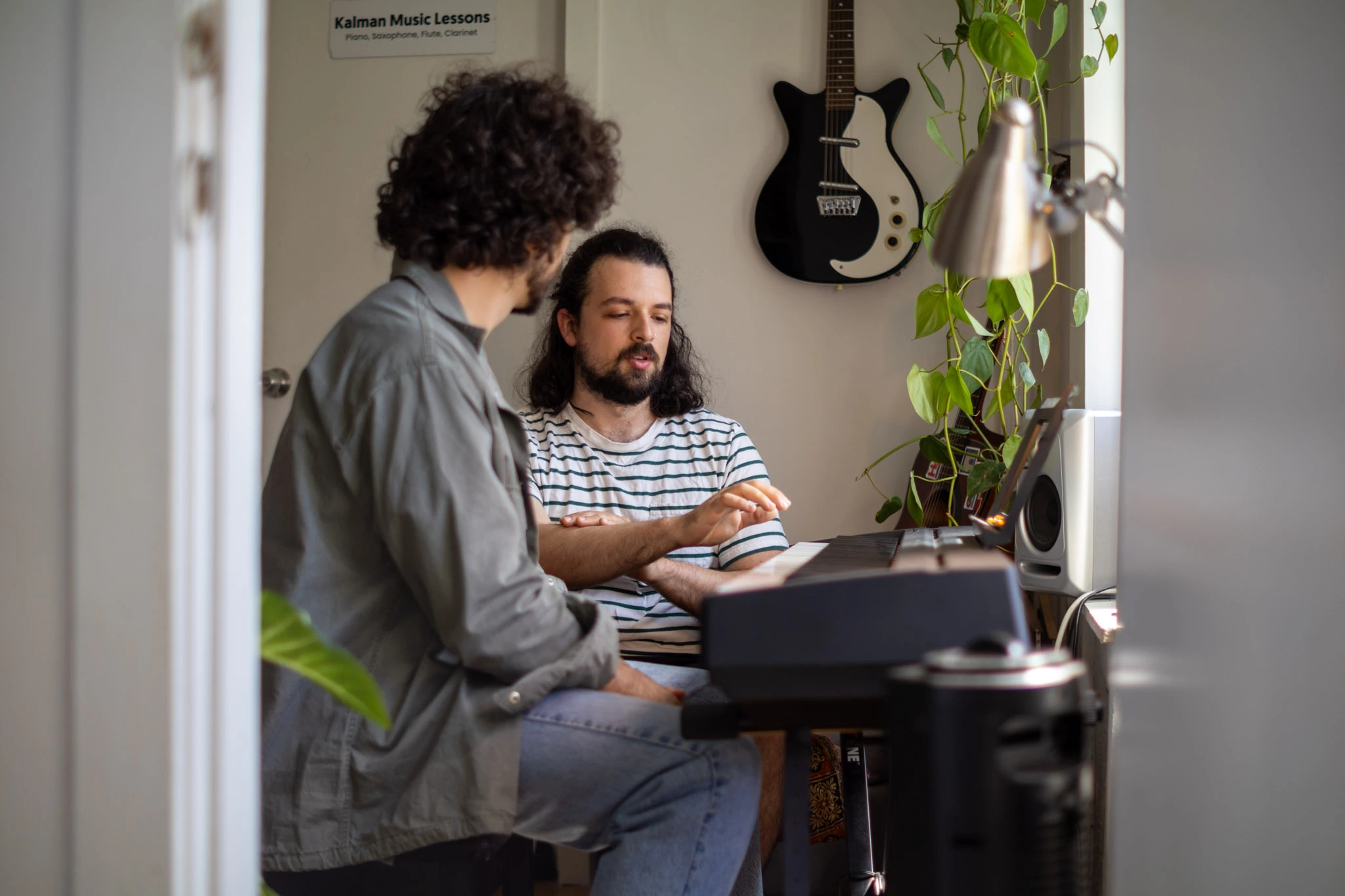
Piano Practice Techniques for Faster Progress
Progress at the piano rarely happens through random practice. Focused repetition, structured routines, and thoughtful listening shape real improvement. Many musicians searching for structured training options, such as piano lessons in New York City, often hope to accelerate their musical development and refine their skills efficiently.
Effective practice does not demand endless hours at the keyboard. It requires deliberate attention to technique, rhythm, musical phrasing, and mental focus. Pianists who approach practice with purpose develop stronger coordination, better memory, and clearer musical expression.
A structured approach transforms practice sessions into powerful training opportunities. The techniques below help musicians progress more quickly while maintaining accuracy and musical quality.
Build a Consistent Practice Routine
Consistency creates steady improvement. Random practice sessions rarely build strong musical habits.
A regular schedule helps the brain and muscles adapt to repeated movements. Pianists who practice at the same time each day often notice stronger concentration and improved retention.
A balanced routine may include:
- Warm-up exercises
- Technical drills
- Piece practice
- Review of previously mastered material
Short daily sessions often outperform occasional long sessions. Even twenty minutes of focused work can strengthen coordination and memory.
Consistency also reduces the pressure of long practice marathons.
Begin Each Session with Technical Warm-Ups
Warm-ups prepare the hands and mind for productive playing. Just as athletes stretch before physical activity, pianists benefit from gentle preparation.
Effective warm-ups may include:
- Five-finger scale patterns
- Slow chord progressions
- Light finger exercises
- Simple rhythm patterns
These exercises awaken finger muscles and encourage relaxed movement.
Warm-ups also shift the mind into a focused musical state, which improves productivity during the rest of the practice session.
Practice Slowly with Precision
Many musicians attempt to reach performance speed immediately. This approach often produces mistakes that become difficult to correct later.
Slow practice creates accuracy. Each note receives careful attention, and finger movements remain controlled.
Slow tempo practice allows players to focus on:
- Correct fingering
- Even tone production
- Steady rhythm
- Smooth hand coordination
Speed gradually increases as the passage becomes reliable.
Precision at a slow tempo leads to confident performance at full speed.
Divide Music into Manageable Sections
Long pieces can feel overwhelming when practiced from start to finish repeatedly. Breaking music into smaller segments allows musicians to focus on specific challenges.
A productive section practice method might include:
- Choose a short passage of two to four measures
- Practice slowly until the notes feel comfortable
- Repeat the passage several times with a consistent rhythm
- Connect the section with the following passage
This technique strengthens memory and prevents fatigue.
Small accomplishments during each session create a sense of steady progress.
Focus on Difficult Passages First
Many pianists begin practice with the opening measures of a piece every time. While this habit feels natural, it often leaves difficult sections underdeveloped.
A more efficient method addresses challenging passages at the start of the session.
Energy and concentration remain strongest during the first minutes of practice. Difficult sections benefit from that focus.
Once problem areas improve, the remainder of the piece usually becomes easier to master.
This targeted approach saves significant practice time.
Strengthen Finger Independence
Finger independence allows each finger to move with accuracy while the others remain stable. Without this control, passages may sound uneven or clumsy.
Exercises that promote independence include:
- Repeated note drills
- Alternating finger patterns
- Five-finger scale exercises
- Controlled finger lifts
These movements strengthen individual fingers and improve coordination between both hands.
Strong finger independence supports smoother transitions between notes.
Develop Strong Rhythm Awareness
Rhythm forms the backbone of music. Even beautifully played notes lose their impact when timing becomes inconsistent.
Practicing rhythm separately from melody often improves accuracy.
Helpful rhythm exercises include:
- Clapping note patterns
- Counting beats aloud
- Practicing with a metronome
- Tapping rhythmic patterns on a table
A metronome remains one of the most powerful tools for building rhythmic stability.
Consistent timing allows music to flow naturally.
Use Hands-Separate Practice
Many complex passages become easier when each hand practices independently. This method allows the brain to focus on one musical line at a time.
Right-hand practice typically focuses on melody and phrasing, while left-hand practice strengthens harmonic support and rhythm.
Once both hands perform comfortably on their own, combining them becomes far less difficult.
Hands-separate practice builds clarity and reduces confusion.
Repeat with Purpose
Repetition drives improvement, but mindless repetition wastes time. Each repetition should aim to correct a specific issue.
Purposeful repetition involves the following process:
- Play the passage carefully
- Identify the mistake
- Adjust finger movement or rhythm
- Repeat the passage with correction
Each focused repetition strengthens neural pathways in the brain.
Gradually, movements become automatic and reliable.
Strengthen Musical Memory
Musical memory allows pianists to perform confidently without relying entirely on sheet music. Strong memory develops through repetition, visualization, and careful listening.
Musicians often memorize music through several layers:
- Visual memory of the score
- Finger memory through repeated movement
- Listening to the memory of the melody
- Structural memory of chord progressions
Combining these memory types strengthens overall retention.
A well-memorized piece feels natural under the fingers.
Maintain Relaxed Technique
Tension slows progress and reduces control. Relaxed muscles allow fingers to move freely across the keyboard.
Signs of tension may include:
- Raised shoulders
- Stiff wrists
- Tight finger movement
Pianists should pause occasionally during practice to release tension.
Relaxation exercises such as gentle wrist movement or slow breathing can restore flexibility.
Comfortable technique promotes smoother playing.
Listen Critically While Playing
Active listening transforms ordinary practice into effective training. Pianists should evaluate the sound they produce rather than focusing only on correct notes.
Critical listening helps identify issues such as:
- Uneven rhythm
- Inconsistent tone
- Imbalanced melody and accompaniment
- Sudden tempo changes
Players who listen carefully adjust their technique quickly.
Musical awareness grows stronger with each attentive practice session.
Record Practice Sessions
Recording provides valuable feedback that live playing may conceal. Musicians often notice mistakes only after listening to playback.
Recording reveals details such as:
- Timing inconsistencies
- Dynamic imbalance
- Missed notes
- Uneven phrasing
Reviewing recordings encourages objective self-evaluation.
This habit helps musicians refine their technique and musical expression.
Set Clear Practice Goals
Goal-oriented practice produces faster progress. Each session should focus on specific improvements rather than general repetition.
Examples of practice goals include:
- Mastering a difficult measure
- Improving tempo accuracy
- Smoothing transitions between chords
- Memorizing a short musical phrase
Clear goals keep practice sessions productive.
Achieving small objectives builds confidence and motivation.
Rotate Practice Material
Repeating the same piece continuously may cause fatigue. Rotating practice material keeps the mind engaged and strengthens diverse skills.
A balanced practice session might include:
- Technical exercises
- A new piece in progress
- Review of previously learned music
Reviewing older pieces reinforces memory and builds confidence.
Variety prevents boredom while supporting long-term improvement.
Develop Mental Practice Habits
Mental practice can strengthen musical memory even without the piano. Many professional musicians visualize the keyboard and imagine finger movement during quiet moments.
Mental rehearsal may involve:
- Visualizing hand movement across the keys
- Imagining the sound of a melody
- Recalling chord progressions
These exercises reinforce neural pathways associated with physical practice.
Mental preparation often improves performance accuracy.
Maintain Motivation During Long Practice Periods
Progress at the piano unfolds gradually. Maintaining enthusiasm remains essential for sustained improvement.
Motivation often grows through:
- Celebrating small achievements
- Setting new musical challenges
- Performing for friends or family
- Exploring different musical styles
Positive experiences at the piano encourage consistent practice.
Enjoyment fuels dedication.
Conclusion
Effective piano practice techniques accelerate progress while strengthening musical expression. Structured routines, slow precision practice, and focused repetition allow musicians to refine their skills with efficiency.
Breaking music into manageable sections, strengthening rhythm awareness, and maintaining relaxed technique create a strong technical foundation. Active listening and thoughtful evaluation further enhance improvement.
The piano rewards patience, discipline, and creativity. When practice sessions remain focused and purposeful, progress unfolds naturally, allowing musicians to build confidence and expressive ability with every note played.