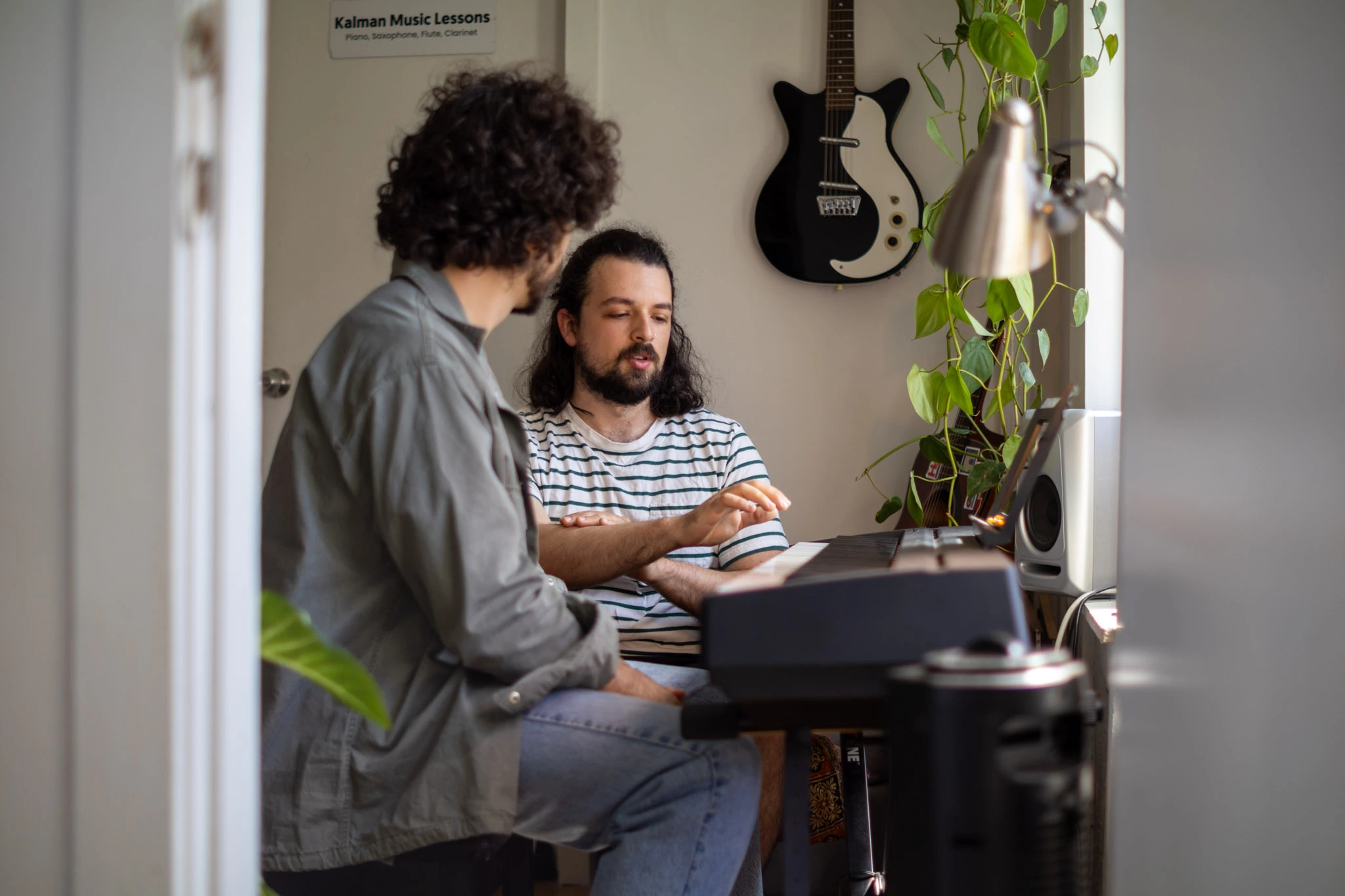
How to Learn Songs Quickly on Piano?
Playing a song smoothly on the piano feels rewarding, yet many students struggle with slow progress while practicing new pieces. People often search for effective training environments, such as piano lessons in New York City, hoping structured instruction will help them play songs faster and more confidently.
Speed in piano learning does not come from rushing through notes. It grows from efficient practice habits, strong musical awareness, and thoughtful repetition. Pianists who approach songs strategically build muscle memory faster and maintain accuracy.
A focused approach transforms the process from overwhelming to manageable. With the right techniques, beginners and experienced players alike can reduce practice time while improving musical performance.
The following strategies help pianists master songs more quickly without sacrificing musical quality.
Start with a Clear View of the Song
Many pianists jump straight into playing the first measure they see. This habit often leads to confusion halfway through the piece.
A better approach involves scanning the entire song before touching the keys. Observing the structure provides a roadmap for practice.
Important details to notice include:
- Key signature
- Time signature
- Repeated sections
- Dynamic markings
- Tempo indications
Recognizing these elements allows pianists to anticipate challenges and organize practice sessions effectively.
A short preview often saves hours of unnecessary repetition.
Break the Song into Small Sections
Large pieces often feel intimidating when practiced from beginning to end. Dividing the music into small sections makes the learning process far more manageable.
Many pianists use the following method:
- Practice two or four measures at a time
- Repeat the passage until it feels comfortable
- Connect the section with the next passage
- Gradually build the full piece
Short segments allow the brain to process patterns more effectively.
This technique also prevents frustration because progress becomes visible quickly.
Slow Practice Builds Speed
Fast playing develops from controlled, slow practice. Many beginners try to reach full tempo immediately, which often creates mistakes.
A slower tempo allows pianists to focus on precision.
Benefits of slow practice include:
- Accurate finger placement
- Clean rhythm control
- Strong muscle memory
- Clear musical phrasing
Playing slowly may feel tedious, but it lays the groundwork for confident performance.
Speed naturally increases as accuracy improves.
Identify Patterns in the Music
Music often contains repeating patterns. Recognizing these patterns helps pianists memorize songs quickly.
Common patterns include:
- Repeated chord progressions
- Similar melodic phrases
- Repeated rhythmic structures
- Familiar scale passages
When a pianist identifies patterns, the brain processes the music as groups rather than individual notes.
This mental shortcut significantly reduces learning time.
Instead of memorizing dozens of separate notes, the player remembers a handful of musical ideas.
Practice Hands Separately
Many students attempt to play both hands together immediately. This approach often slows progress because the brain must process two musical lines simultaneously.
Practicing each hand separately simplifies the task.
Right-hand practice focuses on melody and phrasing, while left-hand practice develops rhythm and harmonic support.
Once each hand feels comfortable individually, combining them becomes far easier.
This step-by-step process prevents confusion and builds confidence.
Use Repetition with Purpose
Repetition plays an essential role in musical development, but mindless repetition wastes time.
Effective repetition focuses on improvement with each attempt.
A productive repetition routine may look like this:
- Play the passage slowly and carefully
- Identify mistakes immediately
- Correct the problem before repeating
- Repeat until the section feels natural
Each repetition strengthens neural connections in the brain.
Focused repetition transforms difficult passages into automatic movements.
Strengthen Finger Memory
Finger memory allows pianists to play passages without consciously thinking about each note. This skill develops through consistent practice.
When a passage repeats frequently, the fingers begin to anticipate movements automatically.
Muscle memory improves when:
- Practice sessions occur regularly
- Passages repeat slowly and accurately
- Hands maintain a relaxed posture
Strong finger memory allows players to focus on musical expression rather than technical details.
Listen While Practicing
Active listening improves piano performance dramatically. Many players concentrate solely on pressing the correct keys.
Listening closely to the sound adds another layer of control.
Important listening habits include:
- Monitoring rhythm accuracy
- Checking the balance between melody and accompaniment
- Noticing dynamic changes
- Recognizing uneven notes
Listening transforms mechanical practice into musical performance.
It also helps players identify mistakes quickly.
Visualize the Keyboard
Mental visualization strengthens memory and coordination. Pianists often imagine the keyboard layout even when they are away from the instrument.
This mental practice helps reinforce note positions and finger patterns.
Some musicians mentally rehearse passages before playing them physically.
Visualization techniques may include:
- Imagining finger movement across keys
- Recalling the sound of specific passages
- Visualizing the score while away from the piano
These mental exercises strengthen neural pathways that support faster learning.
Focus on Difficult Sections First
Many players begin practice at the start of the piece every time. While this habit feels natural, it often leaves difficult sections underdeveloped.
A more efficient method involves practicing the hardest passages first.
When energy and focus remain strong, problem areas receive proper attention.
Once difficult sections improve, the rest of the piece often falls into place more easily.
Addressing challenges early prevents frustration later.
Use a Metronome for Timing
A metronome helps pianists maintain a steady rhythm. Inconsistent tempo often slows learning because mistakes appear more frequently.
Practicing with a metronome encourages disciplined timing.
Players often begin with a slow metronome setting and gradually increase the tempo.
This method ensures that speed grows alongside accuracy.
Consistent timing also strengthens musical confidence.
Build Momentum Through Daily Practice
Short, consistent practice sessions often produce better results than occasional long sessions.
Daily interaction with the piano strengthens memory and finger coordination.
Effective practice routines may include:
- Warm-up exercises
- Technique drills
- Song practice
- Review of previously learned material
Even twenty minutes of focused practice each day creates noticeable improvement.
Consistency builds familiarity with the instrument.
Record Your Practice Sessions
Recording practice sessions helps pianists hear their playing objectively. Many mistakes remain unnoticed during live performance but become obvious during playback.
Listening to recordings reveals:
- Timing inconsistencies
- Uneven dynamics
- Missed notes
- Balance issues between hands
Players can then adjust their practice to correct these problems.
Self-evaluation accelerates improvement.
Strengthen Sight Reading Skills
Strong sight-reading skills allow pianists to interpret new music quickly. Players with good reading ability can begin performing unfamiliar pieces almost immediately.
Sight reading improves when pianists practice simple pieces regularly.
Key benefits of sight reading practice include:
- Faster recognition of musical patterns
- Improved rhythm accuracy
- Greater confidence when approaching new songs
Regular reading practice reduces the time required to learn each new piece.
Develop a Musical Connection
Memorizing notes alone does not create a compelling performance. An emotional connection with the music improves retention and expression.
Pianists often interpret the mood of a piece before practicing.
Questions that help build connection include:
- Does the music feel calm or energetic?
- Which sections feel dramatic?
- Where should the melody sound stronger?
When musicians connect emotionally with a piece, they remember musical phrases more easily.
Emotion often strengthens memory.
Maintain Relaxed Technique
Tension slows finger movement and leads to fatigue. Relaxed hands allow faster playing and better control.
Signs of tension include:
- Raised shoulders
- Stiff wrists
- Tight finger movement
Relaxation exercises during practice help maintain comfort at the keyboard.
Flexible movement allows fingers to travel smoothly across keys.
Celebrate Small Achievements
Progress in piano practice often appears gradually. Recognizing small improvements keeps motivation strong.
Students can celebrate achievements such as:
- Mastering a difficult measure
- Playing a section smoothly
- Increasing tempo successfully
Positive reinforcement encourages continued effort.
Confidence grows when pianists acknowledge improvement.
Conclusion
Learning songs quickly on the piano requires thoughtful practice rather than rushed repetition. Breaking music into manageable sections, practicing slowly, and identifying patterns allows pianists to build skill efficiently.
Consistent repetition, active listening, and steady rhythm create a solid musical foundation. When players focus on difficult passages early and maintain relaxed technique, progress becomes smoother and more rewarding.
The piano rewards patience and dedication. With disciplined practice and strategic learning habits, musicians can master songs faster while maintaining musical quality and expressive performance.